How to Reduce Loose Skin After Weight Loss

Loose skin after weight loss is defined as excess skin that remains after the underlying fat and muscle volume have decreased, leaving the dermis without adequate structural support. You can reduce loose skin after weight loss through a combination of muscle preservation, gradual weight loss, targeted skincare, and professional treatments. Severity depends on how much weight you lost, how fast you lost it, your age, and your skin’s natural elasticity. Surgical removal is the definitive fix for severe cases, but non-surgical methods produce real results for mild to moderate laxity.
How to reduce loose skin after weight loss with muscle preservation
Muscle is the structural foundation beneath your skin. When you lose fat without maintaining muscle, the skin loses its underlying support and sags. Preserving lean muscle mass with resistance training at least 3 times per week and a protein intake of 1.2–1.6 g/kg/day is the most effective single strategy to reduce the magnitude of loose skin during weight loss.
Resistance training works because it rebuilds the volume that fat once occupied. Compound movements deliver the most benefit per session.
- Squats and deadlifts target the largest muscle groups in your lower body, which is where most people carry the most fat and experience the most sagging after loss.
- Bench press and rows build the chest and back, supporting skin across the torso where laxity is common after significant weight loss.
- Overhead press develops the shoulders, which improves the appearance of upper arm and neck skin.
- Lunges and hip thrusts address the glutes and thighs, areas prone to sagging after fat loss.
Protein timing also matters. Spreading your daily protein intake across 3–4 meals supports muscle protein synthesis more effectively than concentrating it in one or two meals.
Pro Tip: If you are still in the weight-loss phase, do not wait until you reach your goal weight to start resistance training. Building muscle while losing fat gives your skin the best chance to adapt as you shrink.
What pace and lifestyle habits improve skin elasticity during weight loss?
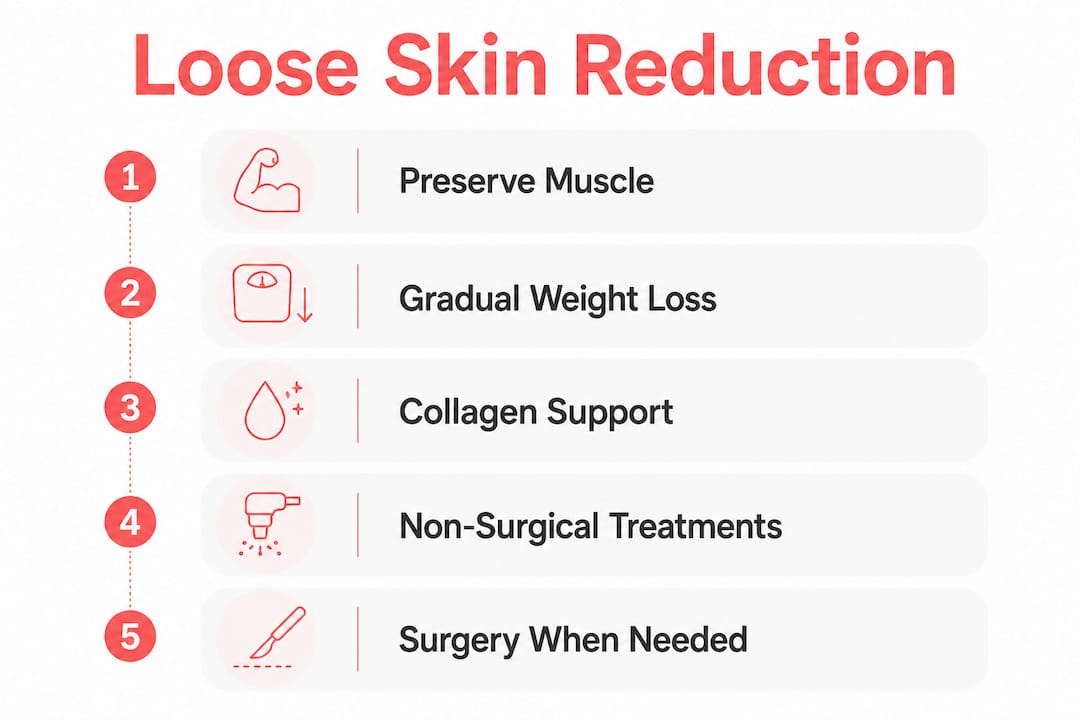
Rapid weight loss above 1% of body weight per week worsens skin laxity because the dermis cannot remodel fast enough to keep pace with fat loss. A safe rate of 0.5–1.0% of body weight per week gives your skin time to adapt. This is the single most underrated factor in preventing sagging skin.
Several lifestyle habits directly affect collagen health and skin firmness:
- Quit smoking. Smoking reduces collagen synthesis by up to 22% and doubles the enzyme activity that breaks down skin structure. No topical product can compensate for that level of internal damage.
- Wear SPF 30 or higher daily. UV exposure degrades collagen and elastin. Sun protection is a low-effort, high-return habit for anyone focused on skin firmness.
- Stay hydrated. Adequate water intake supports skin turgor and texture. Hydration alone will not remove loose skin, but dehydrated skin looks and feels significantly worse.
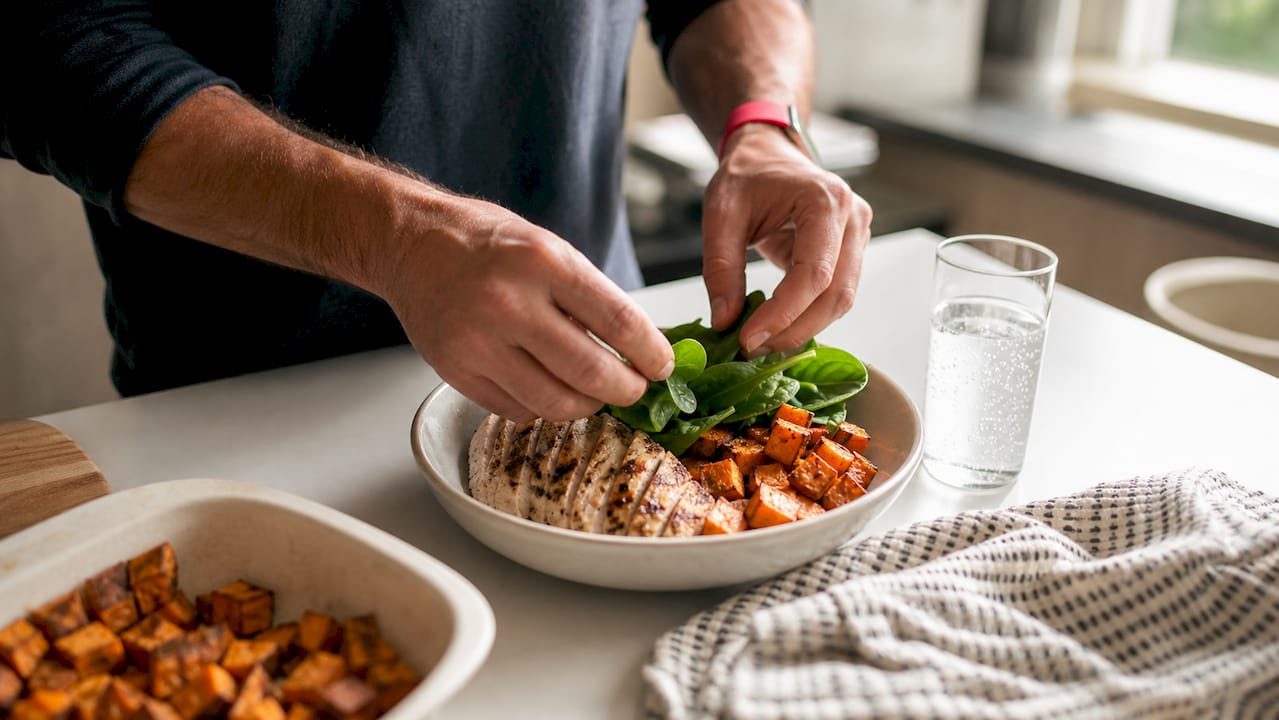
- Eat for collagen synthesis. Vitamin C, zinc, and amino acids from whole foods support the body’s natural collagen production. Citrus, leafy greens, eggs, and lean meats cover most of these bases.
Pro Tip: Starting collagen-stimulating treatments during the weight-loss process, rather than after, helps prevent sudden sagging by allowing gradual skin adaptation. Do not wait until you are done losing weight to act.
What topical and at-home skincare options actually firm loose skin?
Topical skincare improves texture and surface quality, but it does not remove structurally loose skin. Understanding this distinction saves you money and sets realistic expectations. The best at-home ingredients work by stimulating collagen, improving hydration, and protecting against further degradation.
- Retinoids (retinol, tretinoin): These are the most evidence-backed topical ingredients for collagen stimulation. Visible improvements in skin texture can appear within one week of daily use. Consistency over months produces the most meaningful change.
- Hyaluronic acid: This ingredient draws moisture into the skin, improving plumpness and reducing the appearance of fine lines. It works best layered under a moisturizer to seal in hydration.
- Antioxidants (vitamin C, niacinamide): These protect existing collagen from oxidative damage and support new collagen formation. Vitamin C serums applied in the morning pair well with SPF.
- Oral collagen peptides: Research on oral collagen is promising but not conclusive. These supplements are supportive, not curative. Think of them as a complement to a solid skincare routine, not a replacement.
Topical creams and vacuum therapy produce temporary improvements mainly through better hydration and circulation, not structural tightening. That is not a reason to skip them. It is a reason to use them as part of a broader plan rather than as a standalone fix. For a deeper look at ingredients that support skin firmness, the Sonedaskincare guide on home wrinkle treatments covers what actually works at the surface level.
What non-surgical professional treatments tighten loose skin?
Non-surgical energy-based treatments are the most effective option between topical skincare and surgery. They work by heating the dermal layers to boost collagen production over months, requiring repeated sessions for durable results. These treatments are most effective on the face, neck, and areas of mild body laxity.
Energy-based treatments like radiofrequency and HIFU provide approximately 15–25% skin tightening over 3–6 months. That is a meaningful improvement for mild to moderate laxity, though it will not replicate surgical results.
| Treatment | Mechanism | Best for | Sessions needed |
|---|---|---|---|
| Radiofrequency (RF) | Heats dermis to stimulate collagen | Face, neck, mild body laxity | 3–6 sessions |
| HIFU ultrasound | Focused energy at deeper tissue layers | Jawline, neck, brow lift | 1–3 sessions |
| Microneedling | Micro-injuries trigger collagen repair | Texture, mild laxity | 3–6 sessions |
| Laser resurfacing | Surface and dermal remodeling | Texture, tone, mild tightening | 1–4 sessions |
Non-surgical treatments do not replace surgery in severe cases because the dermal architecture is irreparably compromised after massive weight loss. If you lost more than 50 kg, manage your expectations accordingly. For moderate laxity, these treatments deliver real, visible results with no downtime.
Pro Tip: Combining collagen-stimulating energy treatments with muscle preservation produces better outcomes than either approach alone. Treat both the surface and the structure simultaneously for the best results.
When is surgery the right choice for loose skin after weight loss?
Surgery is the only definitive solution for severe loose skin. 92.8% of people who lose more than 50 kg experience redundant skin that non-surgical methods cannot adequately address. That statistic reflects a biological reality. When fat volume loss is that significant, the dermis simply cannot retract enough on its own.
Surgical options range from targeted procedures to full body contouring:
- Panniculectomy: Removes the hanging apron of skin below the abdomen. Often covered by insurance when the skin causes hygiene problems or skin infections.
- Abdominoplasty (tummy tuck): Removes excess abdominal skin and tightens the underlying muscle wall. More cosmetically focused than a panniculectomy.
- Body lift: Addresses the abdomen, hips, buttocks, and outer thighs in one procedure. Best suited for people with circumferential laxity after massive weight loss.
- Arm lift (brachioplasty) and thigh lift: Targeted procedures for excess skin on the upper arms and inner thighs, two of the most common problem areas after significant fat loss.
Surgical procedures require careful timing to optimize safety and results. Clinicians recommend waiting 12–18 months after your weight stabilizes before scheduling surgery. This gives your skin time for natural retraction and confirms your weight is stable enough to make surgical results last.
Insurance coverage varies widely. Procedures classified as medically necessary (such as panniculectomy for recurrent skin infections) have a stronger case for coverage than purely cosmetic lifts. Consult your insurer before your surgical consultation.
Key Takeaways
Combining muscle preservation, gradual weight loss, and targeted treatments is the most effective strategy to reduce loose skin after weight loss.
| Point | Details |
|---|---|
| Muscle preservation is foundational | Resistance training 3+ times per week and 1.2–1.6 g/kg/day protein reduce skin laxity magnitude. |
| Slow weight loss protects skin | Losing more than 1% of body weight per week worsens sagging because the dermis cannot remodel fast enough. |
| Topicals improve texture, not structure | Retinoids and hyaluronic acid improve surface quality but do not remove structurally loose skin. |
| Non-surgical treatments offer 15–25% improvement | HIFU, radiofrequency, and microneedling work for mild to moderate laxity over 3–6 months. |
| Surgery is definitive for severe cases | Over 92% of people losing more than 50 kg need surgery; wait 12–18 months after weight stabilization first. |
What I’ve learned about loose skin that most articles won’t tell you
The most common mistake I see is people treating loose skin as a problem that starts after weight loss ends. Prevention is the highest-leverage action you can take, and it starts on day one of your weight-loss effort. Slowing your rate of loss, training with weights, and eating enough protein are not afterthoughts. They are the primary intervention.
The second thing most people get wrong is expecting non-surgical treatments to do what only surgery can. HIFU and radiofrequency are genuinely effective tools for mild to moderate laxity. They are not a workaround for 80 pounds of lost fat. Being honest about this distinction saves time, money, and frustration.
Skin remodeling takes months to years. Collagen synthesis is a slow biological process. People who see the best long-term results are those who commit to consistent habits, not those who chase the fastest fix. The combination of collagen-stimulating treatments and sustained lifestyle habits is where the real results live.
Finally, patients with high-risk profiles, including older age and massive weight loss, need realistic expectations from the start. That is not discouraging. It is the information you need to make smart decisions about where to invest your effort and money.
— Customer
Sonedaskincare’s VividLift for at-home collagen stimulation
If you are dealing with mild to moderate skin laxity after weight loss, professional-grade technology no longer requires a clinic visit. Sonedaskincare’s VividLift™ HIFU device uses High-Intensity Focused Ultrasound and advanced sonophoresis to stimulate collagen production and improve skin firmness at home. It is clinically tested and reports a 175% increase in skin hydration with a 100% user satisfaction rate.

The VividLift™ targets the same dermal layers that in-office HIFU treatments reach, making it a practical option for consistent, gradual improvement between professional sessions or as a standalone routine for moderate laxity. It is backed by a 100% Money-back Guarantee. Explore the full device details to see if it fits your post-weight-loss skin care plan.
FAQ
How long does it take to tighten skin after weight loss?
Natural skin retraction takes 1–2 years after reaching your goal weight. Non-surgical treatments like HIFU and radiofrequency show measurable improvement over 3–6 months with multiple sessions.
Can exercise alone firm loose skin after weight loss?
Resistance training builds muscle volume that supports the skin from underneath, reducing the appearance of sagging. It does not remove structurally excess skin, but it is the most effective non-surgical tool for improving firmness.
Does loose skin go away on its own?
Mild laxity can improve naturally over 12–18 months as the skin retracts. Severe loose skin after massive weight loss does not resolve without surgical intervention.
What is the best topical ingredient for skin tightening?
Retinoids are the most evidence-backed topical option for stimulating collagen and improving skin texture. Daily use over several months produces the most visible results.
When should I consider surgery for loose skin?
Surgery is appropriate when non-surgical methods have not produced satisfactory results and skin laxity is severe, typically after losing more than 50 kg. Clinicians recommend waiting 12–18 months after weight stabilization before scheduling any body contouring procedure.