Get Smoother Skin in 3–7 Days: Hydrate Your Skin at Home

The fastest way to hydrate skin at home is to apply a humectant like hyaluronic acid to damp skin, seal it in with a ceramide moisturizer within minutes, and support the process with short, lukewarm showers and a humidifier. The American Academy of Dermatology and Mayo Clinic back this exact sequence, and most people notice visibly smoother, less tight skin within days when they follow it consistently.
TL;DR:
- Applying a humectant like hyaluronic acid within 30 to 60 seconds after dampening skin maximizes water absorption before it evaporates.
- Sealing with a ceramide moisturizer within three minutes locks in hydration and prevents moisture loss, especially in dry indoor air.
- Using lukewarm showers and a humidifier consistently supports long-term skin barrier repair more effectively than topical products alone.
- Over-exfoliating, hot water, and skipping the sealing step can undo hydration efforts and worsen dryness over time.
- Devices like sonophoresis-based systems can enhance serum absorption but should only be used after the skin barrier has stabilized through core routines.
Table of Contents
- The 5-Step At-Home Hydration Routine to Start Tonight
- Why Hydrating and Moisturizing Aren’t the Same Thing
- Which Ingredients Actually Belong in Your Routine
- Daily Habits That Keep Skin Hydrated Long-Term
- What to Expect: The Skin Barrier Repair Timeline
- Mistakes That Quietly Undo Your Hydration Routine
- Where At-Home Devices Fit Into a Hydration Routine
- VividLift: A Complementary Boost Once Your Routine Is Solid
- A Realistic Take on What Actually Moves the Needle
- Sources
The 5-Step At-Home Hydration Routine to Start Tonight
You don’t need a ten-product routine to fix dry, tight skin. You need the right products in the right order, applied at the right moment. Dermatologists consistently point to one sequence that outperforms random product-piling: cleanse gently, hydrate while damp, seal immediately, and protect overnight.
Here’s the order that works:
- Evening cleanse, morning rinse. Use a gentle, non-foaming cleanser at night. In the morning, a splash of lukewarm water is often enough unless you’re oily or sweaty.
- Pat skin damp, don’t dry it fully. Leave a thin film of moisture on your face and hands.
- Apply your humectant within 30 to 60 seconds. Hyaluronic acid or glycerin needs to hit damp skin fast, before that surface water evaporates.
- Seal with a ceramide moisturizer within about 3 minutes. This locks the humectant’s water in rather than letting it pull moisture from deeper layers.
- Add an occlusive at night, or on rough patches. Petrolatum or mineral oil works as a final barrier where skin is especially dry.
For hands, reapply moisturizer after every wash. For sensitive skin, patch-test new humectants first and skip fragrance entirely.
Pro Tip: Keep your hyaluronic acid serum in the shower or right next to your sink. If it’s not within arm’s reach the second you’re done rinsing, you’ll miss the window.
Why Hydrating and Moisturizing Aren’t the Same Thing
Most people use “hydrate” and “moisturize” interchangeably, and that mix-up is exactly why so many skincare routines fail. They’re two different jobs, done by two different types of ingredients, and skipping one undoes the other.
- Humectants pull water into the outer skin layer. Hyaluronic acid and glycerin are the two most common, and both work by binding water molecules to themselves.
- Emollients and occlusives stop that water from evaporating. Ceramides rebuild the skin’s natural lipid matrix, while squalane and petrolatum sit on top as a physical seal.
Healthline’s breakdown of hydration versus moisturizing makes the mechanism clear: humectants draw water in, but emollients and occlusives are what keep it there. Skip the seal, and in dry indoor air, a humectant can actually pull moisture out of deeper skin layers instead of holding it at the surface, leaving skin more parched than before you started.
When you’re reading labels, look for “ceramide,” “cholesterol,” or “fatty acid” alongside hyaluronic acid. That combination signals a formula built to hydrate and lock it in, not just one half of the job.
Which Ingredients Actually Belong in Your Routine
Picking products gets a lot simpler once you shop by role instead of by brand. Every effective hydration routine needs at least one ingredient from each of three categories, and skipping one is the most common reason results stall.
- Humectants: hyaluronic acid, glycerin, and panthenol draw water into the skin’s surface layer.
- Emollients: ceramides and squalane rebuild the lipid barrier and keep skin flexible.
- Occlusives: petrolatum and mineral oil create a physical seal for severely dry patches or overnight repair.
Texture should match your skin type, not your budget. Oily or combination skin usually does better with gel-based humectants and lightweight lotions, while dry or mature skin benefits from richer creams and, in some cases, ointment-grade occlusives at night.
While your barrier is repairing, avoid foaming sulfate cleansers, added fragrance, and strong actives like retinoids or exfoliating acids. All three can undo the progress a humectant-and-ceramide routine just made. Sunflower seed oil and colloidal oatmeal also show up in clinical reviews as effective, gentle options for dry skin, particularly for sensitive or eczema-prone patches. If over-the-counter products aren’t cutting it after a few weeks, a dermatologist can prescribe a thicker, ointment-based formula built for more stubborn dryness.
Daily Habits That Keep Skin Hydrated Long-Term
Products only do half the work. The other half happens in your bathroom and bedroom, in habits most people never think to change.
Start with the shower. Limit it to 5 to 10 minutes, keep the water lukewarm rather than hot, and moisturize the second you step out while skin is still damp. The AAD is direct about this: hot water strips the same natural oils you’re trying to preserve.
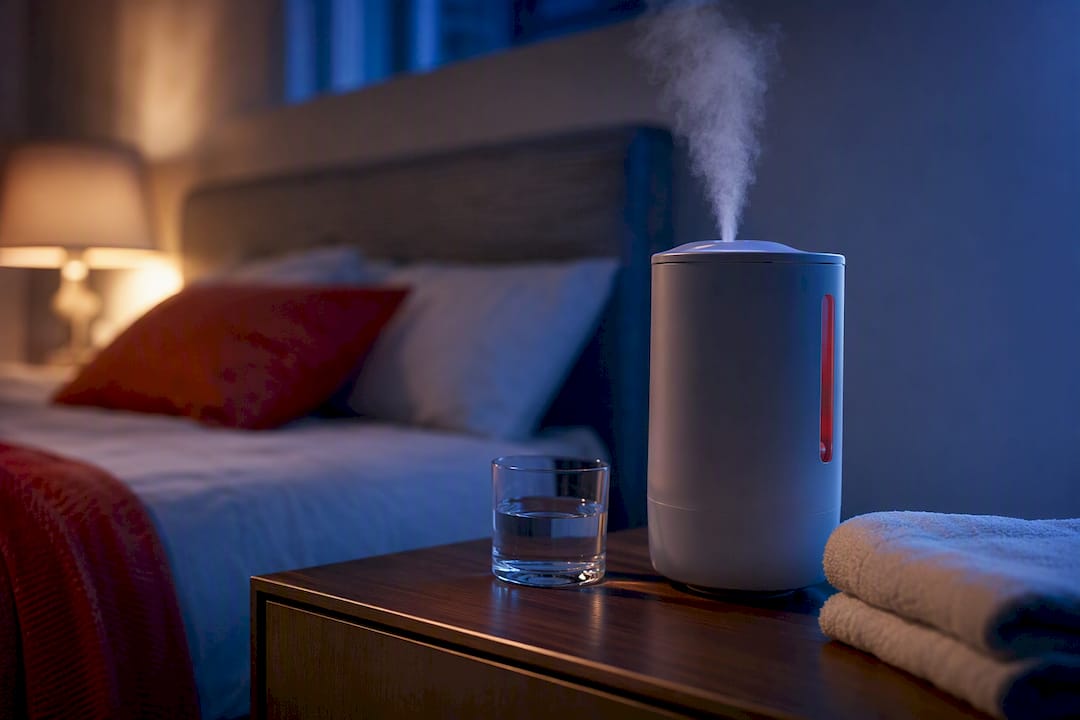
- Run a humidifier in your bedroom and aim for moderate indoor humidity.
- Clean the humidifier tank every few days to prevent mineral buildup and mold.
- Add omega-3s (fatty fish, walnuts, flaxseed) to support the skin’s own lipid production.
- Moderate alcohol and caffeine, both of which contribute to fluid loss.
- Prioritize sleep and manage stress, since cortisol spikes can weaken barrier function over time.
In cold or windy weather, gloves and a heavier cream matter more than people expect. Rewash and reapply moisturizer after every hand-washing session.
Pro Tip: A humidifier running overnight does more for your skin’s moisture level than almost any single serum. It’s the cheapest upgrade most routines are missing.
What to Expect: The Skin Barrier Repair Timeline
Patience matters here, but so does knowing what “working” actually looks like. Most people following a consistent humectant-and-seal routine notice less tightness and a smoother surface within 3 to 7 days. Full barrier repair, the point where your skin holds moisture on its own without constant reapplication, typically takes 2 to 4 weeks.
Track progress with a simple pinch test: skin that snaps back quickly and looks less flaky or dull is healing. Reduced tightness after cleansing is another reliable sign.
Watch for red flags that go beyond ordinary dryness: cracking, bleeding, intense itching, or any sign of infection like redness and warmth. If home care and over-the-counter moisturizers haven’t helped after a few weeks, that’s the signal to see a dermatologist, who may prescribe a stronger barrier-repair cream.
Mistakes That Quietly Undo Your Hydration Routine
A surprising number of “dry skin” problems are actually caused by the routine itself, not a lack of one. Over-exfoliating is the biggest offender. Limit chemical exfoliants and retinoids to two or three nights a week while your barrier is healing, not nightly.
- Applying humectants to bone-dry skin instead of damp skin, which can worsen dehydration instead of fixing it.
- Skipping the sealing step entirely and expecting a serum alone to do the job.
- Using hot water and rough washcloths or scrub brushes on already-compromised skin.
- Layering on new actives before the barrier has had a chance to stabilize.
The fix is almost always simpler than people expect: switch to a gentle cleanser, reintroduce actives slowly, and add an occlusive layer at night while things recover.
Where At-Home Devices Fit Into a Hydration Routine
Once your barrier is stable and the basics are working, some readers look for a way to push results further. This is where device-assisted skincare, like Sonedaskincare’s approach, comes in as an addition, never a replacement for the fundamentals above.
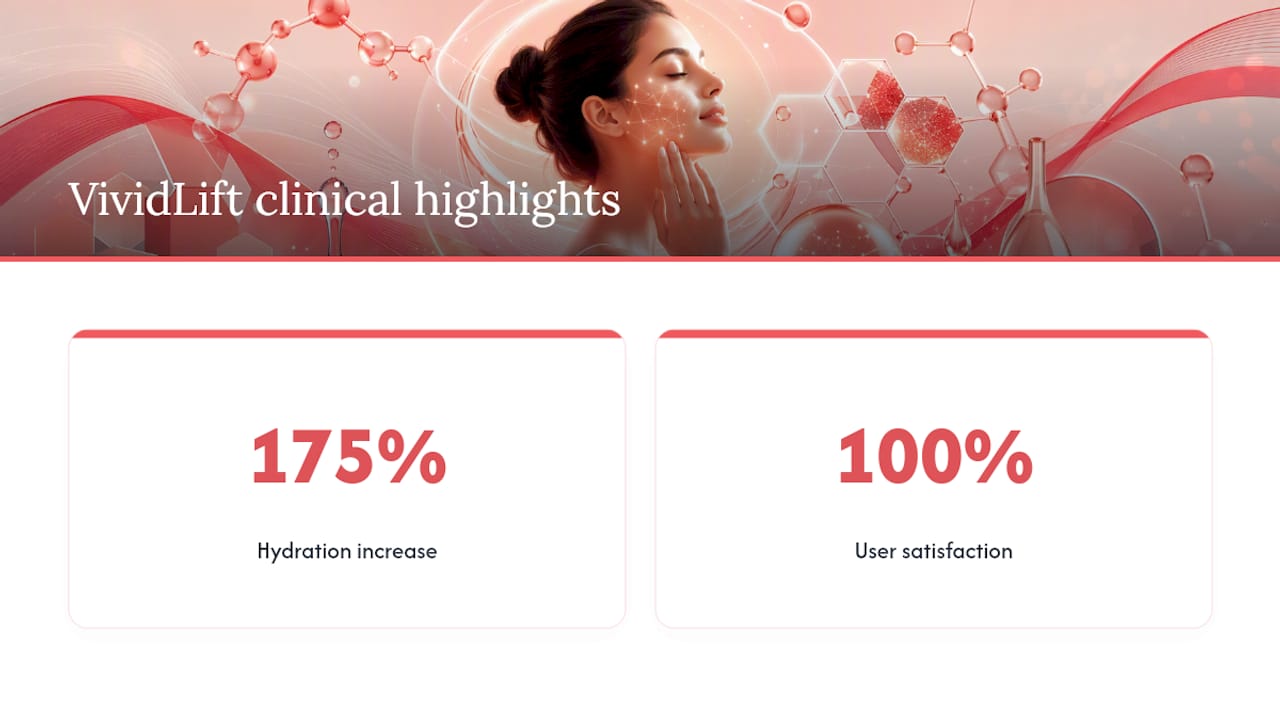
Sonedaskincare’s technology uses sonophoresis, a method of using sound waves to help serums absorb more effectively into the skin, alongside HIFU for lifting and firming. The brand reports a 175% increase in measured skin hydration in clinical testing and a 100% user satisfaction rate.
- Use devices only after your barrier feels stable, not during an active flare-up.
- Apply your humectant serum first, then use the device to support absorption.
- Reserve device sessions for a few times a week, not as a daily replacement for basic layering.
This matters most for people who’ve nailed the routine and want to accelerate results, not those still fixing a compromised barrier.
VividLift: A Complementary Boost Once Your Routine Is Solid
Once your skin barrier is behaving, the VividLift™ 2-in-1 HIFU+Sono device gives your existing routine an extra edge. It pairs High-Intensity Focused Ultrasound for lifting and collagen support with sonophoresis, which helps your hyaluronic acid and ceramide serums absorb more deeply instead of sitting on the surface.
The best time to use it is right after cleansing and while your humectant serum is still on the skin, letting the sonophoresis function work with the product rather than against a dry surface. It’s not a substitute for your morning and evening layering. It’s a tool that makes those steps work harder. Sonedaskincare reports clinical results showing a 175% increase in skin hydration and a 100% user satisfaction rate among its customers, backed by a full money-back guarantee.
If your barrier is already stable and you’re looking for a way to get more out of the serums you’re already using, the VividLift device is available for preorder now.
A Realistic Take on What Actually Moves the Needle
Get the basics locked in before you spend money on anything else. A humectant, a ceramide moisturizer, a shorter shower, and a humidifier running at night will do more for your skin in a week than most serums do in a month. That’s not a sales pitch, it’s just where the biggest, cheapest wins live.
Once those habits are automatic, that’s the point where a device like VividLift earns its place, not as a fix for a broken routine, but as a way to push an already-working one further. Be honest with yourself about timelines too: three to seven days for visible change, closer to a month for real barrier recovery. If you’re dealing with cracking, bleeding, or persistent irritation that doesn’t respond to any of this, skip the DIY approach and see a dermatologist. Some things need more than layering and patience.
— Customer
Sources
- Dermatologists’ top tips for relieving dry skin (American Academy of Dermatology)
- Dry skin — Diagnosis and treatment (Mayo Clinic)