Is LED Light Therapy Safe? What the Evidence Actually Shows

LED light therapy is safe for most people in the short term, with mild, temporary side effects the most common outcome when devices are used correctly. Long-term safety data on repeated at-home use is still limited, which is the main gap between what marketing promises and what clinical research can currently confirm.
A few caveats matter before you turn on any device. Photosensitizing medications, unprotected eyes, undiagnosed skin lesions, and ignoring manufacturer instructions are where most avoidable problems start.
- Short-term risk: low for most healthy adults when instructions are followed
- Long-term risk: unknown due to limited multi-year studies
- Immediate action: talk to a board-certified dermatologist if you’re on photosensitizing medication, have a seizure disorder, are pregnant, or have an unusual skin lesion
Quick fact: Most at-home red-light devices are considered safe for home use by the American Academy of Dermatology, though device power and quality vary widely by manufacturer.
Key Takeaways
LED light therapy is safe for short-term use in most healthy adults, provided eye protection is used correctly and photosensitizing risk factors are ruled out beforehand.
| Point | Details |
|---|---|
| Short-term safety is well-supported | Mild, self-limited redness and dryness are the most common reactions when instructions are followed. |
| Long-term data remains limited | Multi-year safety studies on repeated at-home use don’t yet exist, so caution and moderation matter. |
| Eye protection is non-optional | Use manufacturer-approved goggles or follow closed-eye instructions; sunglasses aren’t a substitute. |
| FDA clearance means safety review, not efficacy proof | A 510(k) clearance confirms the device is considered low risk, not that it works as marketed. |
| Soneda designs for clinician-minded use | The VividLift device pairs LED therapy with a published protocol guide for dosing and session frequency. |
Table of Contents
- What Is LED Light Therapy Safety Based On?
- What Are the Common Side Effects of LED Light Therapy?
- Who Should Avoid LED Therapy or Ask a Doctor First?
- How Do Device Type and Dosage Affect Safety?
- What Eye Protection Does LED Light Therapy Require?
- At-Home Devices vs. Professional Treatment: Which Is Safer?
- What Are the Pre- and Post-Treatment Safety Steps?
- What Does the Research Say About Long-Term Safety?
- Why “Probably Safe” Isn’t the Same as “No Risk”
- How Soneda Designs LED Devices With Safety in Mind
- Sources
What Is LED Light Therapy Safety Based On?
LED light therapy works by delivering specific wavelengths of visible or near-infrared light into the skin, and each wavelength band does something different at the cellular level. Understanding those differences is the foundation of judging what’s actually safe.
Red light (roughly 620 to 700 nanometers) and near-infrared light (750 to 1,200 nanometers) penetrate deepest into the dermis. There, they’re absorbed by mitochondria, the energy-producing structures inside cells, in a process called photobiomodulation. That absorption appears to stimulate collagen signaling and cellular repair processes, which is the rationale behind anti-aging and wound-healing claims. Blue light (roughly 405 to 470 nanometers) stays closer to the skin’s surface and is studied mainly for its effects on acne-causing bacteria, since it doesn’t reach the same depth as red or near-infrared wavelengths.
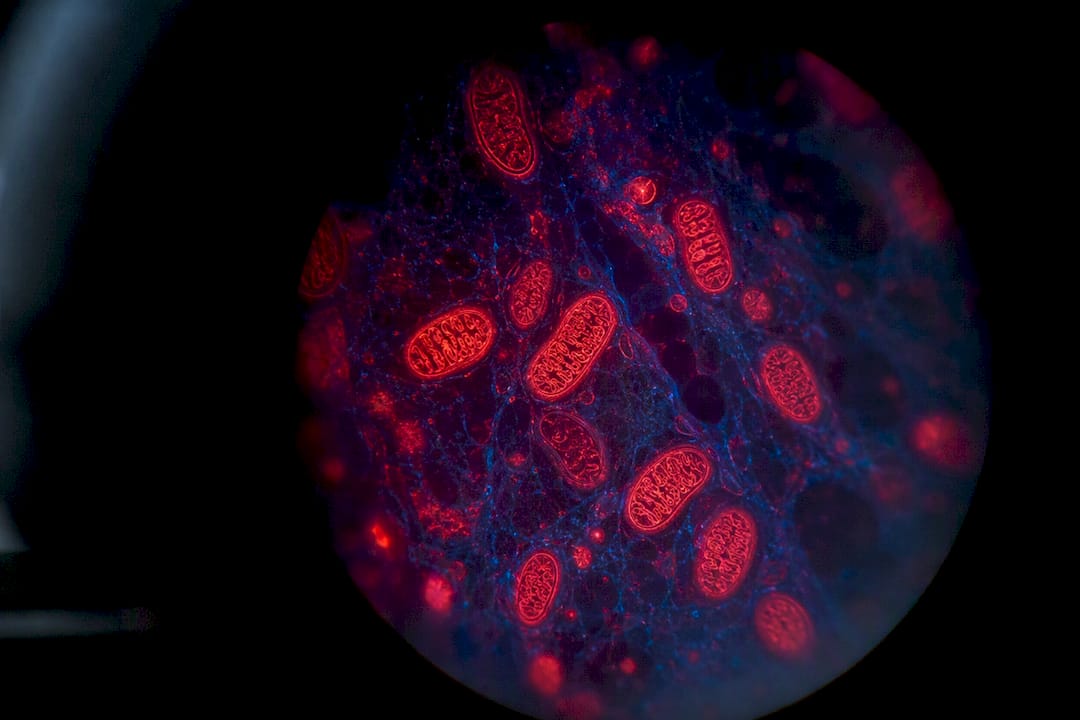
Here’s the detail that matters most for safety: none of this involves ultraviolet radiation. UV light is what damages DNA and drives skin cancer risk from sun exposure, and LED devices operate entirely outside that spectrum. That single distinction is why LED therapy carries a fundamentally different risk profile than tanning beds or unprotected sun exposure.
What does vary, and what actually determines safety, are two technical measurements:
- Irradiance (measured in mW/cm²): how much light power hits the skin per second
- Fluence (measured in J/cm²): the total light dose delivered over a full session
Higher irradiance and longer exposure times increase both the potential benefit and the potential for irritation. This is why a device’s specs matter more than its marketing claims.
What Are the Common Side Effects of LED Light Therapy?
Most reactions to LED treatment are mild and resolve on their own within hours. Knowing the difference between “normal and expected” and “stop and call a doctor” is the practical safety skill this whole topic boils down to.
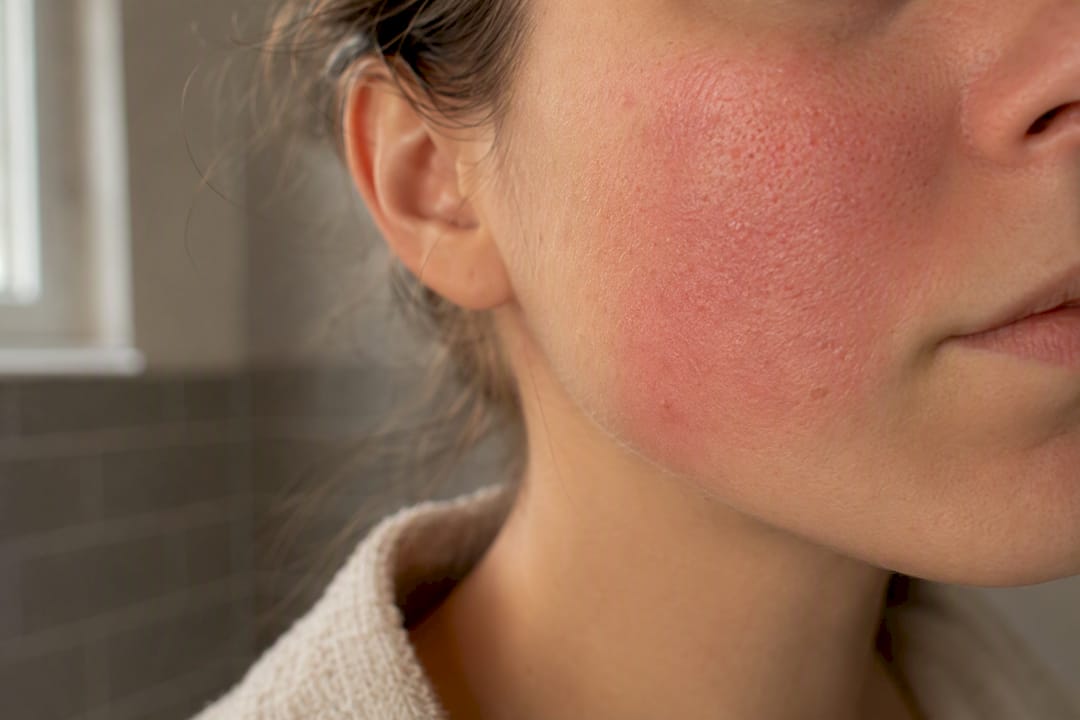
- Common, self-limited effects: Temporary redness, mild dryness, itching, or a warm tingling sensation are the most frequently reported reactions, and they typically fade within a few hours of treatment.
- Less common effects: Localized inflammation, a mild rash, or post-inflammatory hyperpigmentation can occur, particularly in people with darker skin tones. The AAD specifically recommends that people with darker skin consult a dermatologist before starting treatment, since pigmentary changes are a documented, if uncommon, risk.
- Rare but serious effects: Eye injury from unprotected exposure and photosensitization reactions in people taking certain medications fall into this category. These aren’t common, but they’re preventable, which makes screening beforehand worthwhile.
Pro Tip: Keep a simple log of your skin’s reaction after your first three sessions, noting redness duration and any itching. If irritation lasts longer than 24 hours or worsens with repeated use, stop and check in with a dermatologist rather than pushing through.
Watch for red flags that go beyond typical redness: blistering, persistent pain, vision changes after a session, or a new dark patch that doesn’t fade within a few days. Any of those warrants stopping treatment and getting evaluated rather than waiting it out.
Who Should Avoid LED Therapy or Ask a Doctor First?
Certain groups face meaningfully higher risk, and knowing where you fall before your first session prevents most complications.
- Photosensitizing medications: Certain antibiotics (tetracyclines), some acne medications, and diuretics can increase skin sensitivity to light. Dermatology guidance consistently recommends checking with a prescribing doctor before starting LED sessions if you take any of these.
- Recent isotretinoin use: Clinicians typically delay LED treatment for several weeks after isotretinoin therapy ends, since the medication significantly heightens photosensitivity.
- Active or suspicious skin lesions: Any mole that’s changed shape, a lesion that hasn’t been evaluated, or a history of skin cancer calls for a dermatologist’s clearance first.
- Eye disease or retinal disorders: People with retinal conditions or a history of eye disease should get input from an eye-care provider before facial LED treatments, especially with masks or wands used near the orbital bone.
- Seizure disorders: Flickering or pulsed light settings on some devices can be a trigger risk for photosensitive epilepsy in susceptible individuals.
- Pregnancy and breastfeeding: Data here is limited rather than alarming, but the standard, conservative advice is to consult your obstetrician or midwife before starting a new LED mask during pregnancy.
How Do Device Type and Dosage Affect Safety?
Not all LED devices carry the same risk, and the gap between a clinical-grade unit and a budget mask isn’t just about price. It’s about power output, quality control, and who’s supervising the session.
Clinical-grade devices used in dermatology offices typically deliver higher irradiance and are operated by trained staff who screen patients beforehand. At-home devices are generally built with lower power output specifically to reduce burn and irritation risk for unsupervised use, which is a deliberate safety tradeoff, not a shortcut.
FDA clearance is the detail most shoppers misread. When a device carries FDA 510(k) clearance, that means the FDA reviewed it and considers it low risk to the public, not that the agency verified its efficacy claims. Clearance is a safety bar, not a results guarantee. That distinction is worth understanding before you compare specs on any at-home light therapy device.
Three numbers determine practical dosing safety:
- Irradiance (mW/cm²): how intensely the device outputs light at the skin’s surface
- Fluence (J/cm²): the cumulative dose per session, calculated from irradiance multiplied by time
- Session frequency: how often you can safely repeat treatment without overexposing skin
Quick fact: Randomized trials examining LED red light have reported specific fluence thresholds tested for tolerability across different skin phototypes, with short-term use showing good tolerability at studied doses.
The practical rule: follow the manufacturer’s stated session time and frequency exactly. Daily use beyond what’s specified isn’t “more effective,” it’s just untested territory, and more isn’t automatically better with light dose the way it might be with, say, a moisturizer.
What Eye Protection Does LED Light Therapy Require?
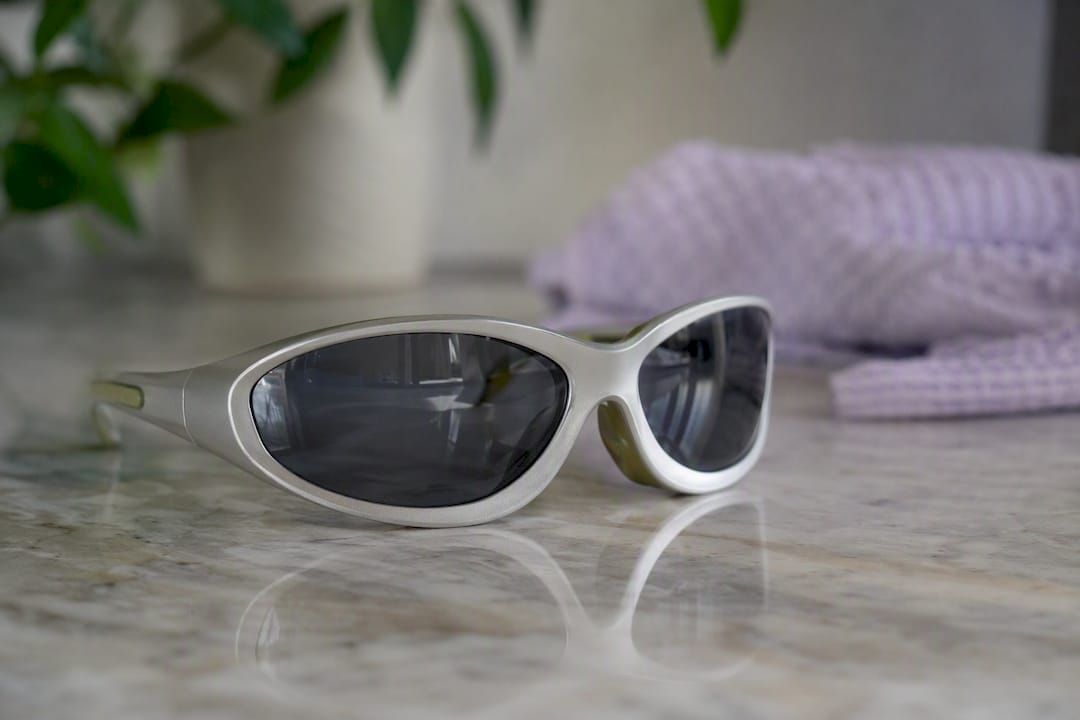
Eye safety is the single most consistently emphasized precaution across dermatology and clinical guidance, and it’s also the easiest one to get wrong by improvising.
Even though LED light isn’t UV radiation, concentrated visible and near-infrared light held close to the eyes for repeated sessions can still cause discomfort or, in poorly designed devices, retinal stress over time. That’s why clinic and research summaries treat eye protection as a baseline requirement rather than an optional add-on.
- Use the manufacturer-recommended protective goggles or eye shields, not regular sunglasses, which aren’t designed to block the specific wavelengths involved.
- If your device explicitly instructs closed eyes instead of goggles, follow that instruction exactly. Some masks are engineered around eyelid closure rather than external shields.
- Sunglasses are not a substitute for purpose-built protective eyewear, since their tint doesn’t correspond to the wavelength ranges LED devices emit.
- If you take photosensitizing medication, mention it to an eye-care provider before facial sessions. Ocular sensitivity can rise alongside skin sensitivity.
Pro Tip: When using a wand or handheld device near the eye socket, keep it moving rather than holding it stationary over the orbital bone. Stationary exposure at close range is where irritation risk concentrates.
At-Home Devices vs. Professional Treatment: Which Is Safer?
The safety trade-off between at-home and in-clinic LED therapy isn’t about one being universally better. It’s about matching the setting to your risk profile and skin history.
- Lower power, lower risk, lower ceiling. At-home devices reduce burn risk through built-in power limits, but that same limitation means results may be more modest, and misuse (holding a device too close, exceeding session time) is more likely without supervision.
- Clinic devices offer higher power with professional screening. Dermatology offices can use stronger settings because a trained operator evaluates your skin first and adjusts parameters accordingly, which lowers the risk that comes with higher intensity.
- Choose a clinic when your case is complicated. Suspicious lesions, combination treatments (LED alongside chemical peels or microneedling), or skin conditions that haven’t been diagnosed all call for professional evaluation before any light-based treatment.
- Build a safety checklist regardless of setting: confirm FDA clearance status, read the stated irradiance and session time, verify eye-protection instructions are included, and check that the device lists clear contraindications in its manual.
What Are the Pre- and Post-Treatment Safety Steps?
A few habits before and after each session meaningfully lower your risk of irritation, whether you’re using a professional-grade tool or a home device.
- Before treatment: Disclose your full medication list and any recent procedures (like isotretinoin or chemical peels) if you’re seeing a professional, and note them for yourself if treating at home.
- Avoid stacking actives right before sessions. Retinoids and chemical exfoliants can increase sensitivity, so most guidance suggests skipping them for 24 to 48 hours before an LED session.
- After treatment: Apply a gentle moisturizer, skip harsh actives for the rest of the day, and use sunscreen the next morning since freshly treated skin can be more reactive to sun exposure.
Pro Tip: Build a simple three-step at-home routine: cleanse with a mild, fragrance-free cleanser, treat with your device per instructions, then moisturize immediately after. Skipping the moisturizer step is the most common reason people report dryness that lingers.
What Does the Research Say About Long-Term Safety?
The clinical picture on LED therapy safety is more reassuring in the short term than it is settled in the long term, and being honest about that gap is the whole point of an evidence-based approach.
Randomized trials have tested specific fluence thresholds for LED red light across different skin types and reported good short-term tolerability at those doses. At the same time, clinical summaries consistently note that efficacy evidence for many marketed claims remains limited, and multi-year safety data on repeated home use simply doesn’t exist yet.
The American Academy of Dermatology and clinic-based reviews from institutions like Stanford Medicine converge on a consistent message: short-term risk is low when eyes are protected and instructions are followed, but questions about cumulative eye exposure, effects with years of repeated use, and any relationship to hair or skin changes over time remain open.
Quick fact: Clinical trial data on LED-red light safety draws primarily from shorter study windows, which is standard for a technology whose consumer use has expanded faster than its long-term research base.
The practical implication is straightforward: use LED therapy with reasonable caution, track how your skin responds over weeks rather than days, and loop in a clinician if you’re in a higher-risk category or notice anything outside the mild, expected reactions.
Why “Probably Safe” Isn’t the Same as “No Risk”
Most of the anxiety around LED light therapy safety comes from confusing two separate questions: is this dangerous, and is this fully understood? The honest answer is that it’s rarely dangerous when used correctly, but it’s also not as thoroughly studied over long timeframes as, say, sunscreen or basic skincare ingredients that have decades of population-level data behind them.
What gets underappreciated is how much the safety conversation actually depends on device quality rather than the technology itself. A poorly made mask with inconsistent irradiance, no eye protection included, and vague instructions carries meaningfully more risk than a well-engineered device from a company that publishes its specs and follows FDA clearance protocols. The wavelength band matters less than most marketing suggests. The manufacturing standard behind the device matters more.
If there’s one piece of conventional wisdom worth pushing back on, it’s the idea that “natural light-based” automatically means “risk-free.” LED therapy earns its safety profile through careful engineering and dosing, not because visible light is inherently harmless in any quantity. Respect that, read the instructions, and the actual risk profile stays low. Skip that step, and you’re just gambling with an unverified device against your own skin.
— Customer
How Soneda Designs LED Devices With Safety in Mind
Choosing a home device shouldn’t mean guessing at power levels or hoping the manual covers eye protection. Soneda’s approach to at-home LED therapy centers on clear dosing guidance and built-in protective protocols, so you’re not left reverse-engineering safety from a product page.
The VividLift 2-in-1 HIFU+Sono device pairs multi-wavelength LED therapy with High-Intensity Focused Ultrasound and sonophoresis, and its accompanying protocol guide spells out session frequency and timing so you’re following tested parameters rather than improvising. That kind of clinician-minded structure, paired with clear instructions, is exactly what dermatology guidance recommends looking for in any at-home device. If you have photosensitizing medications, an active skin condition, or you’re pregnant, talk to a dermatologist before starting any LED-based routine, including this one. For most people looking for an evidence-minded, professionally designed option, Soneda’s HIFU and LED device is a reasonable place to start that conversation with your own skin goals in mind.
Sources
- LED Light Therapy: How It Works, Colors, Benefits & Risks — Cleveland Clinic
- Safety of light emitting diode-red light on human skin — PMC
- Is red light therapy right for your skin? — American Academy of Dermatology (AAD)
- LED Light Facial: Skin Conditions and Safety — WebMD
- Red light therapy: What the science says — Stanford Medicine