NuFace Gel Alternatives: Best Conductive Gels for 2026

NuFace gel alternatives are water-based, oil-free conductive gels that allow microcurrent devices to deliver electrical current effectively to facial muscles. The right substitute maintains conductivity throughout your session, protects skin hydration, and costs a fraction of branded options. This guide covers the exact formulation criteria, top product categories, performance pitfalls, and situational picks so you can choose with confidence.
What makes an effective NuFace gel alternative
The single most important criterion for any conductive gel substitute is its base ingredient. Water must be the first ingredient on the label. Water conducts electrical current. Without it as the dominant component, the gel cannot carry microcurrent from the device probes to your facial muscles.
Oils and silicones are the two ingredients that disqualify a product immediately. Oils and silicones act as electrical insulators, blocking current from reaching deeper facial tissues and reducing treatment efficacy. This means face oils, moisturizers with dimethicone, and most serums with silky slip agents will actively work against your device.
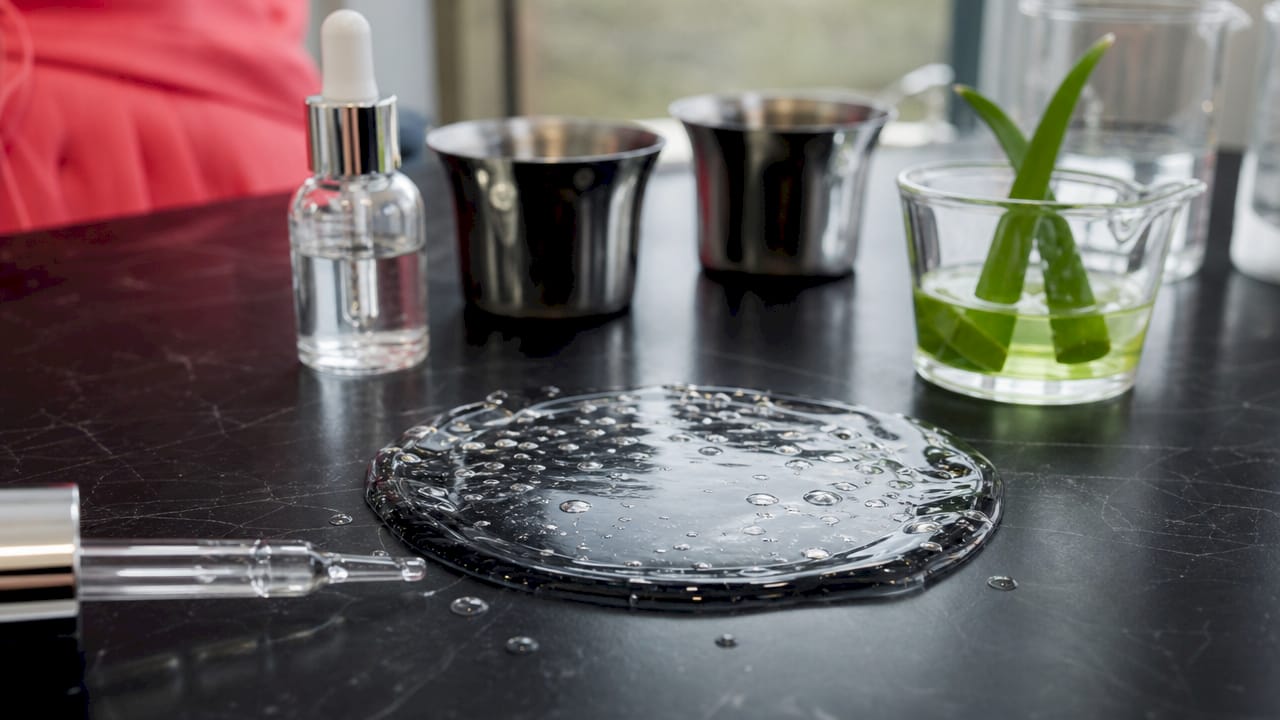
Viscosity matters just as much as formula. Gel viscosity affects device glide and session effectiveness. Too thin and the gel runs off your face or evaporates quickly. Too thick and it creates a barrier that impedes probe contact. The ideal consistency is close to pure aloe vera gel taken directly from the plant.
Humectants add real value beyond conductivity. Hyaluronic acid and aloe vera act as natural electrolyte carriers, improving current penetration while simultaneously hydrating skin. A gel with either ingredient gives you a treatment benefit on top of basic conductivity.
Pro Tip: Check the ingredient list before buying any gel substitute. If water is not the first ingredient, or if you see dimethicone, cyclopentasiloxane, or any plant oil in the top five ingredients, skip it.
The checklist for a qualifying alternative looks like this:
- Water listed first
- No oils or silicones anywhere in the formula
- Humectants such as hyaluronic acid, glycerin, or aloe vera
- Fragrance-free to reduce irritation risk during electrical stimulation
- Viscosity similar to a light gel, not a liquid or a heavy cream
1. Medical-grade ultrasound gel
Medical-grade ultrasound gel is the most cost-effective conductive gel substitute available. Ultrasound gels are professional-grade, oil-free, and maintain excellent conductivity for microcurrent sessions. A large container typically costs under $10, which makes it the go-to pick for budget-conscious daily users.
The formula is designed for electrical and acoustic transmission, so conductivity is built into its core purpose. It glides smoothly, stays wet on the skin for extended sessions, and does not require frequent reapplication. The main drawback is that most ultrasound gels offer no added skincare benefit. They conduct current well but do not hydrate, firm, or treat skin beyond the mechanical effect of the microcurrent itself.
2. Dedicated third-party conductive gels
Purpose-formulated conductive gels made for electrical therapy devices are the top-performing category. Dedicated third-party conductive gels maintain conductivity and hydration throughout the session without needing frequent reapplication. They are engineered to stay wet, maintain consistent viscosity, and often include skin-beneficial ingredients like hyaluronic acid or peptides.
These gels cost more than ultrasound gel but less than branded device gels. They are the best choice for daily users who want consistent results and added skin benefits in one product. Look for formulas labeled specifically for microcurrent, EMS toning, or electrical facial therapy.
3. Pure aloe vera gel (99% concentration)
Pure aloe vera gel is the most popular natural substitute for microcurrent conductive gel. It is water-based, free from oils, and contains natural electrolytes that support current flow. The key is concentration. Many aloe gels contain thickeners or alcohols which degrade conductivity. You need a product labeled 99% or 100% pure aloe vera with no added alcohol, fragrance, or silicone.
The limitation is consistency. Aloe vera gel dries faster than purpose-formulated options, which means you may need to reapply mid-session. It also varies by brand in terms of actual purity. For occasional users or those who prefer natural ingredients, it works well. For daily sessions lasting 10 minutes or more, you will likely need to reapply at least once.
4. Glycerin-based DIY blends
Glycerin is a powerful humectant that draws moisture to the skin and conducts electrical current. A simple DIY blend of distilled water and vegetable glycerin creates a functional conductive gel at minimal cost. A common starting ratio is three parts water to one part glycerin. This produces a gel-like consistency that stays wet on skin longer than plain aloe.
The advantage is full control over ingredients. You know exactly what is in the formula. The disadvantage is that DIY blends lack the precise viscosity engineering of commercial gels, so performance can vary. This option suits occasional users who want a clean, natural formula and are comfortable with some trial and error.
5. Hyaluronic acid serums (water-based only)
Water-based hyaluronic acid serums can function as conductive gel substitutes when they contain no oils or silicones. Hyaluronic acid is a natural electrolyte carrier, and a serum with a high water content will conduct current reasonably well. The benefit is that you get active skin treatment alongside your microcurrent session.
The critical check is the ingredient list. Many hyaluronic acid serums include silicone derivatives for a smooth feel. Those versions will block current. Look for serums where water and sodium hyaluronate are the first two ingredients, with no silicone compounds listed. These work best for shorter sessions because most serums have lower viscosity than dedicated gels.
Pro Tip: Apply your water-based hyaluronic acid serum generously, not as you would for regular skincare. Microcurrent sessions require a thick, wet layer, not a thin absorbed layer.
6. Aloe vera gel with added hyaluronic acid
Some commercial products combine pure aloe vera with hyaluronic acid in a single formula. This hybrid approach addresses the main weakness of plain aloe gel, which is its tendency to dry quickly. The hyaluronic acid draws moisture to the skin surface and slows evaporation, extending the usable window of each application.
These products are widely available at drugstores and online retailers. They cost more than plain aloe gel but less than dedicated conductive gels. For users who prefer natural ingredients but need better session endurance, this category hits a practical middle ground.
7. Water-based gel masks
Sheet-free gel masks with a water-dominant formula can serve as a conductive medium during short microcurrent sessions. These masks typically contain aloe, hyaluronic acid, or glycerin as primary ingredients. They stay wet on the skin for 10–15 minutes, which covers most at-home treatment sessions.
The limitation is cost per use. Gel masks are typically single-use products priced for occasional treatment, not daily sessions. They work well as a situational option when you want a spa-like experience or when your regular gel runs out. They are not practical as a primary daily substitute.
Performance pitfalls to avoid
The most common mistake with any conductive gel substitute is under-application. Gel drying during sessions leads to a device ‘pulling’ sensation and reduced current delivery. Maintaining a thick, wet layer is critical. Most people apply far less gel than needed, which causes the device to tug at skin and reduces the electrical contact needed for results.
Microcurrent devices do not detect brand and will work with any appropriately formulated gel. This means the only variable that matters is whether your chosen substitute meets the conductivity and viscosity requirements. Brand name is irrelevant. Formula is everything.
Alcohols in gel formulas are a hidden problem. Denatured alcohol and ethanol both evaporate quickly and can degrade conductivity mid-session. They also irritate skin under electrical stimulation. Check for alcohol denat., SD alcohol, or ethanol in the ingredient list and avoid those products.
Here is a quick reference for performance factors:
| Factor | What to look for | What to avoid |
|---|---|---|
| Conductivity | Water as first ingredient | Oils, silicones, waxes |
| Session endurance | Glycerin or hyaluronic acid | Alcohols, thin watery formulas |
| Skin comfort | Fragrance-free, aloe vera | Fragrance, menthol, alcohol |
| Viscosity | Light gel consistency | Cream, lotion, or liquid texture |
Maintaining a constant, sufficiently thick gel layer prevents skin zapping or tugging sensations and ensures consistent current delivery. Apply enough gel to see a visible wet layer on the skin before you start, and reapply whenever the surface begins to look dry.
Situational recommendations by user type
Your usage pattern should drive your choice of conductive gel substitute.
Daily users need a gel that performs consistently across long sessions without requiring constant reapplication. Dedicated third-party conductive gels are the best fit. They are engineered for exactly this use case and typically offer added skin benefits that compound over daily use. Medical-grade ultrasound gel is a strong budget alternative for daily users who want reliability without skincare extras.
Occasional users (two to three sessions per week) have more flexibility. Pure 99% aloe vera gel works well at this frequency because the faster drying time is manageable across shorter, less frequent sessions. Aloe with added hyaluronic acid is an upgrade worth the small additional cost.
Budget-sensitive users get the best value from medical-grade ultrasound gel. A single large container costs under $10 and lasts months. The formula is professionally designed for conductivity, so performance is reliable even at low cost.
Natural ingredient users should prioritize 99% pure aloe vera gel or a simple glycerin and distilled water blend. Both options are free from synthetic additives and perform adequately for moderate session lengths. Monitor skin reactions when starting any new formula, since even natural ingredients can cause sensitivity under electrical stimulation.
A few universal rules apply regardless of your category:
- Apply more gel than you think you need
- Reapply whenever the skin surface looks or feels dry
- Never use a product with oils, silicones, or alcohol in the top ingredients
- Test any new gel on a small area before a full session
Key takeaways
The best conductive gel substitute is any water-based, oil-free, silicone-free formula with adequate viscosity and humectant ingredients to maintain conductivity throughout your full session.
| Point | Details |
|---|---|
| Water-based formula is non-negotiable | Water must be the first ingredient for proper electrical conductivity. |
| Oils and silicones block current | These ingredients insulate the skin and reduce device efficacy significantly. |
| Gel thickness affects results | Apply a visibly thick, wet layer and reapply mid-session to prevent tugging. |
| Dedicated gels outperform DIY options | Purpose-formulated conductive gels maintain performance across full sessions without reapplication. |
| Match gel type to usage frequency | Daily users need dedicated gels; occasional users can rely on pure aloe vera gel. |
What I’ve learned about gel choices after years of skincare practice
The conversation about conductive gel alternatives gets overcomplicated. People spend time comparing brands when the real question is simpler. Does the formula conduct electricity? Does it stay wet long enough? That is the entire evaluation.
The insight that changes how most people approach this is about application volume, not product selection. Beauty experts emphasize that natural aloe is popular but its variability makes purpose-formulated gels better for daily use. That is true. But the more common failure I see is people using the right gel in the wrong amount. A thin layer of the best gel in the world will still cause device drag and reduce current delivery. A generous layer of a mid-tier gel will outperform it every time.
The second thing worth saying plainly: cost savings are real with alternatives, but formula reliability is not guaranteed across every batch of a DIY or natural option. If you are using your device daily and tracking results, invest in a dedicated conductive gel. If you are experimenting or using your device occasionally, aloe vera or a glycerin blend is a perfectly reasonable starting point. Experiment within the criteria, watch how your skin responds, and adjust from there.
— Customer
Sonedaskincare’s approach to at-home skin technology
If you are already thinking carefully about what goes on your skin during a device session, you are ready to think about what the device itself can do.
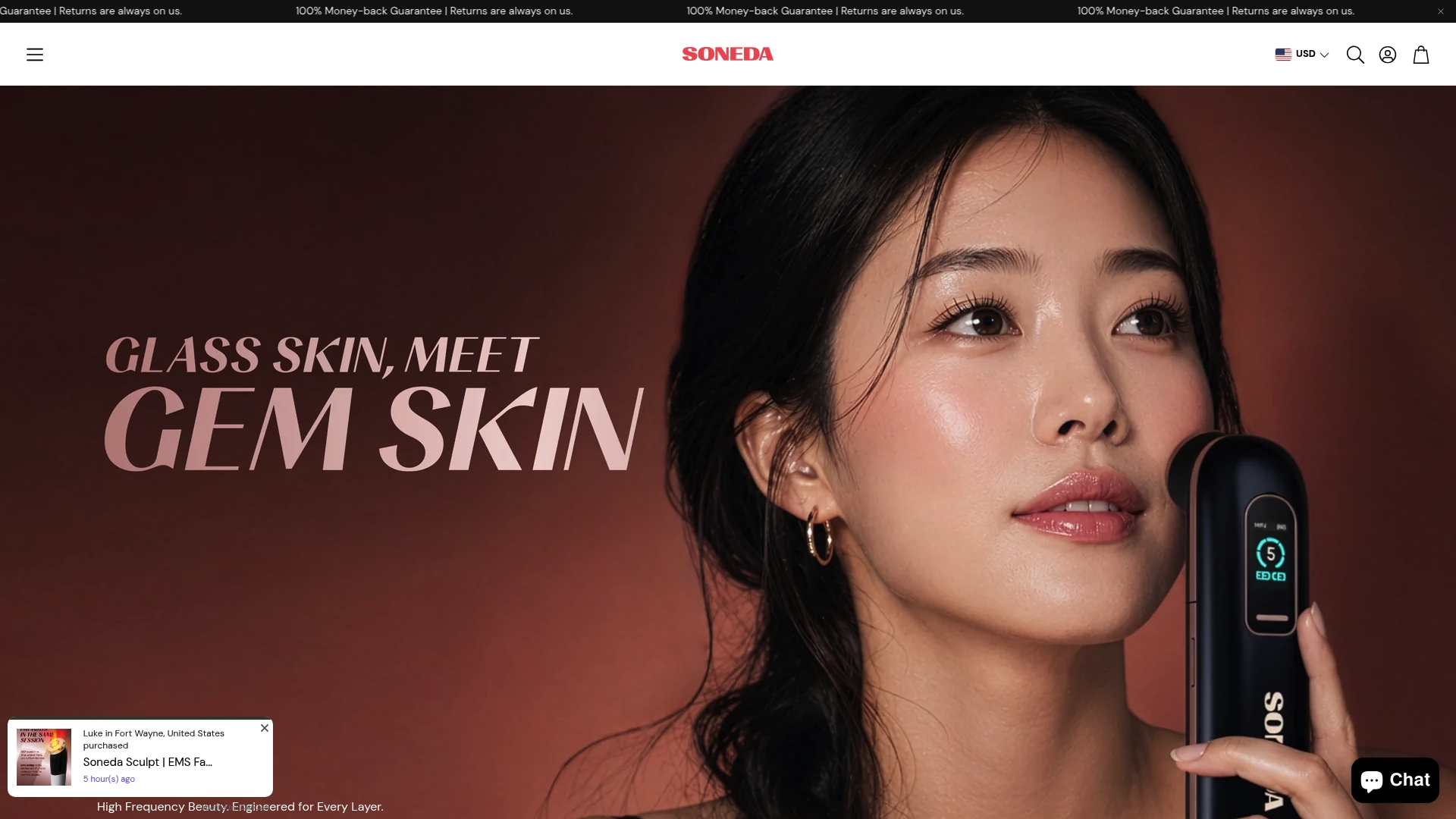
Sonedaskincare’s VividLift HIFU+Sono device combines High-Intensity Focused Ultrasound and sonophoresis in a single at-home tool. HIFU targets collagen production at depth. Sonophoresis drives active ingredients deeper into the skin than topical application alone. Clinical results show a 175% increase in skin hydration with consistent use. The VividLift is designed to work with quality water-based conductive gels, making your gel choice directly relevant to your results. Explore the full device lineup and find the option that fits your skincare goals.
FAQ
What can I use instead of NuFace gel?
Water-based, oil-free gels work as conductive gel substitutes, including medical-grade ultrasound gel, pure 99% aloe vera gel, and dedicated third-party conductive gels formulated for electrical therapy devices.
Does the gel brand matter for microcurrent devices?
No. Microcurrent devices do not detect brand. Any gel that is water-based, free from oils and silicones, and has adequate viscosity will conduct current effectively regardless of its label.
Can I use aloe vera gel as a NuFace gel primer alternative?
Yes, but only if it is 99% pure aloe vera with no added alcohol, fragrance, or silicone. Many commercial aloe gels contain thickeners or alcohols that reduce conductivity and may irritate skin during electrical stimulation.
Why does my device feel like it is pulling or tugging on my skin?
Pulling or tugging during a microcurrent session means the gel layer has dried out. Apply more gel to restore a thick, wet surface and the sensation will stop immediately.
Is hyaluronic acid serum a good NuFace serum alternative for conductivity?
A water-based hyaluronic acid serum with no silicones works as a short-session substitute. It conducts current and hydrates skin simultaneously, but its lower viscosity means it dries faster than dedicated conductive gels.