Are At-Home Facial Devices Safe for Sensitive Skin?

Yes, most at-home facial devices can be used safely on sensitive skin, but only with the right technology choice and a conservative approach. Low-energy LED and microcurrent tend to be the gentlest starting points, while heat-based tools like radiofrequency, HIFU, and IPL carry more risk if you skip the basics. Patch test first, start on the lowest setting, run short sessions, and stop or see a dermatologist if your skin reacts instead of adjusting.
TL;DR:
- Low-energy LED and microcurrent devices are the safest options for sensitive skin, with minimal risk of irritation when used cautiously.
- Devices that generate heat, such as radiofrequency, HIFU, and IPL, require conservative settings and proper patch testing due to increased risks.
- A slow, methodical introduction with initial patch tests, low settings, and gradual progression over weeks helps prevent adverse reactions.
- Avoid running devices over broken skin, active breakouts, or inflamed patches, and always follow post-treatment aftercare guidelines.
- Users with photosensitivity medications or autoimmune conditions should consult a dermatologist before starting at-home facial treatments.
Table of Contents
- What Sensitive Skin Means for Device Safety
- Which Device Technologies Are Safest for Sensitive Skin?
- How Do You Safely Introduce a Device to Sensitive Skin?
- Common Mistakes People With Sensitive Skin Make
- What Aftercare Does Sensitive Skin Need After Device Use?
- When Should You Stop and See a Dermatologist?
- How Soneda Skincare Designs for Sensitive-Skin Safety
- Balancing Safety and Realistic Expectations
- Find a Device That Matches Your Skin’s Pace, Not Its Limits
- Sources
What Sensitive Skin Means for Device Safety
Sensitive skin isn’t a niche complaint. It affects an estimated 60% of women and 50% of men, who report stinging, burning, itching, dryness, or redness in response to products, weather, or physical stimuli that other skin barely notices. If you’ve ever reacted to a “gentle” cleanser or flushed after five minutes outside, you already know the pattern.
The root cause is usually a compromised skin barrier. When the outer layer of skin can’t hold moisture or block irritants effectively, nerve endings sit closer to the surface, so heat, light, and electrical stimulation register faster and more intensely than they would on resilient skin. That’s the mechanism behind why a device setting that feels comfortable to a friend can trigger real discomfort or a visible reaction on you.
Common triggers worth flagging before you touch any device:
- Fragranced products, alcohol-based toners, and harsh exfoliants
- Sudden temperature shifts, including heat from RF or HIFU devices
- Sun exposure immediately following a treatment
- Over-frequent use of any active technology, even a mild one
Sensitive skin symptom rate: roughly 1 in 2 people report it, which means device manufacturers who ignore this population are ignoring half their potential audience. The practical takeaway is simple: favor low-energy, nonthermal modalities first, and progress slowly rather than assuming your skin will behave like the marketing photos.
Which Device Technologies Are Safest for Sensitive Skin?
Safety varies enormously by technology, and lumping “skincare devices” into one category is where most confusion starts.
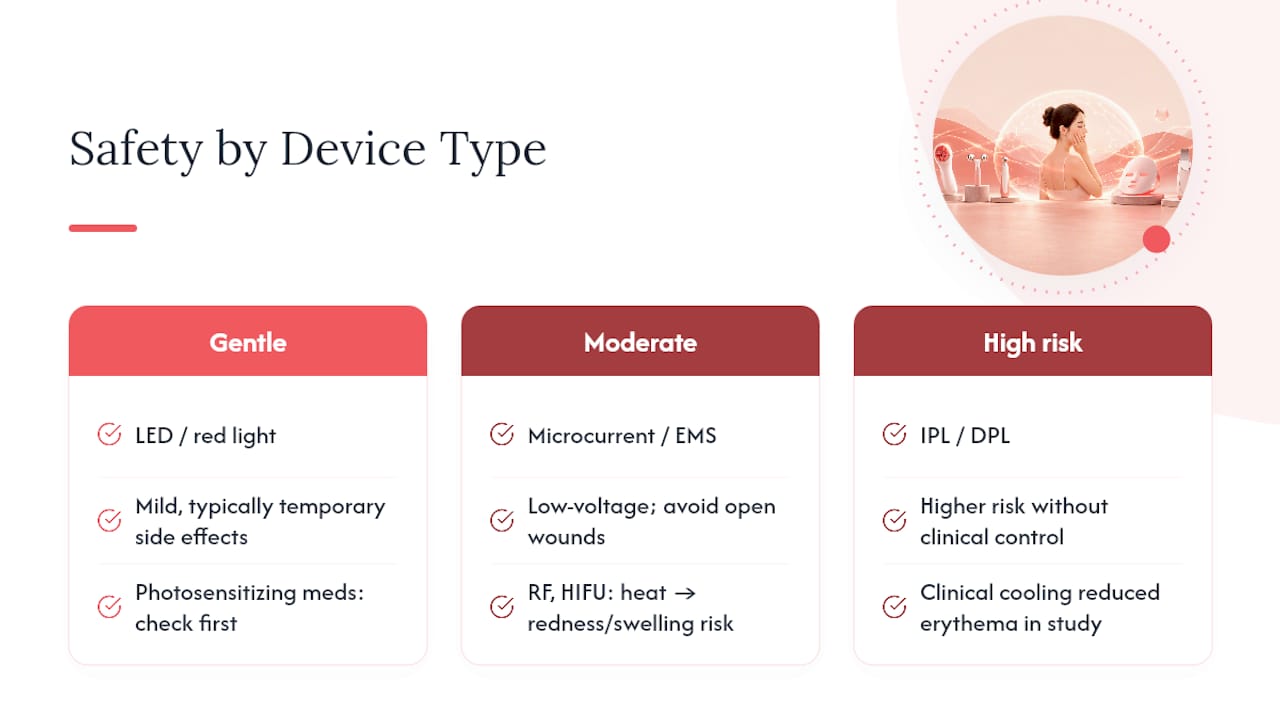
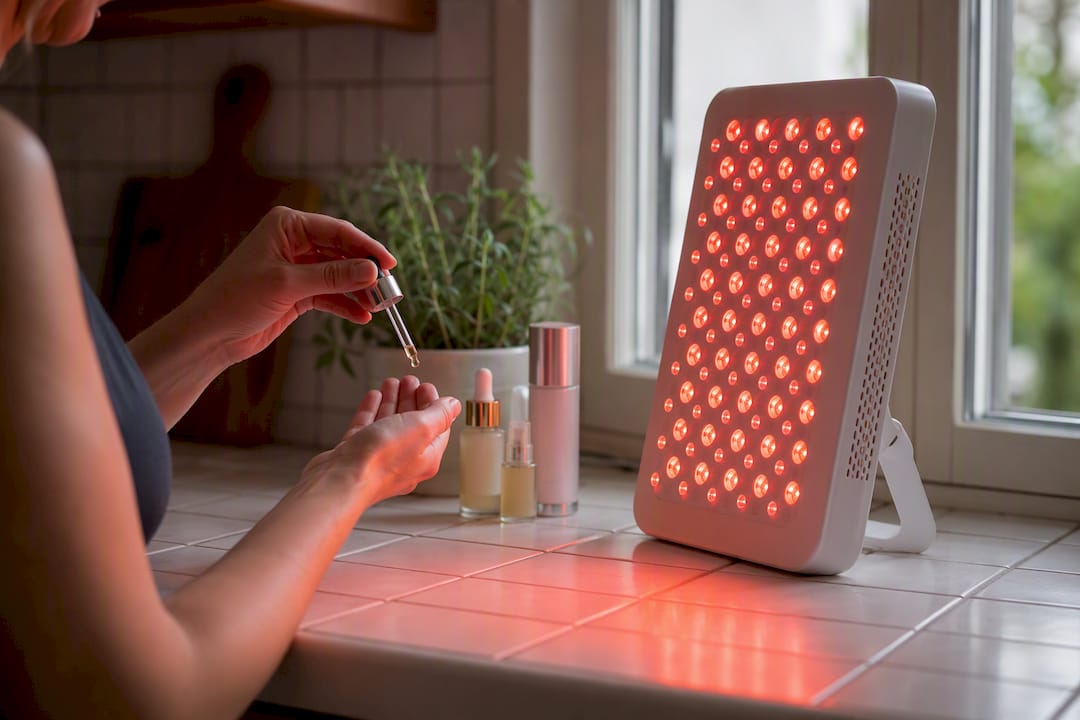
LED and red light rank among the gentlest options. The American Academy of Dermatology notes that at-home red-light devices appear safe in the short term, with side effects that are typically mild and temporary. Long-term data is still thin, though, and darker skin tones should watch for hyperpigmentation risk with repeated use. Anyone on photosensitizing medication should check with a doctor first.
Microcurrent and EMS devices run on low voltage and are generally well tolerated. The main risks come from poor conductivity gel application or running the device over open wounds or active breakouts. Skip these devices entirely if you have an implanted electronic device like a pacemaker.
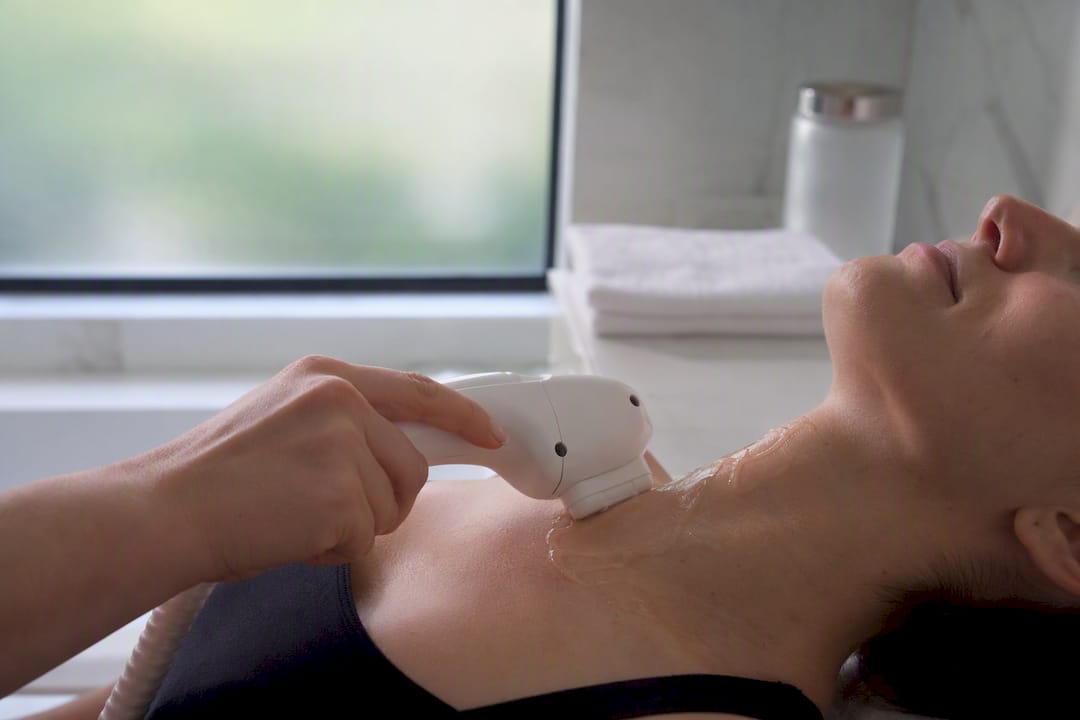
Radiofrequency (RF) works by generating heat in deeper skin layers, which makes it more likely to provoke redness or swelling if you skip cooling steps or push energy too high. A systematic review of home RF, LED, and microcurrent devices found mostly transient redness and swelling as adverse events, though the evidence base is still limited by small sample sizes.
HIFU and sonophoresis deliver focused ultrasound energy deeper into the skin. At-home versions run at meaningfully lower intensity than clinical HIFU, but sensitive skin still calls for conservative settings and gradual sessions rather than jumping to maximum output.
High-frequency wands are generally low-risk but should never touch active acne lesions, cold sores, or broken skin, and electrodes need proper cleaning between uses.
IPL and DPL deserve the most caution. A retrospective study of 181 patients using low-energy delicate pulsed light found reduced facial erythema and no obvious serious adverse effects, but that protocol used carefully controlled clinical energy levels and cooling. Consumer IPL devices without that level of control pose meaningfully higher risk for sensitive skin.
Pro Tip: If you’re unsure which category a device falls into, check the manual for the words “thermal” or “heat generation.” Anything that heats tissue needs a slower, more cautious introduction than anything that doesn’t.
How Do You Safely Introduce a Device to Sensitive Skin?
A careful rollout matters more than the device itself. Follow this sequence before your first real session:
- Read the manual fully and confirm the device references FDA clearance or 510(k) status, which signals the FDA considers it low risk, though clearance alone doesn’t guarantee results.
- Check your medications and conditions. Certain antibiotics, retinoids, and autoimmune conditions increase photosensitivity.
- Patch test on a discreet area, like behind the ear or along the jaw, then wait 48 to 72 hours and log any redness, itching, or swelling.
- Run your first real session at the lowest intensity setting for the shortest duration listed, and cap use to once a week initially.
- Hold that frequency for two to four weeks before increasing intensity or session length, and only if you’ve seen zero adverse signs.
- Back off immediately at the first sign of prolonged redness, stinging that doesn’t fade, or unusual sensitivity the next day.
Pro Tip: Keep a simple log on your phone: date, setting, duration, and how your skin looked the next morning. Two weeks of data tells you more than any single session ever will.
Sanitation matters as much as settings. Clean contact heads with the manufacturer-approved solution after every use, never share devices, and skip use entirely around the eyes unless the manual specifically approves that zone.
Common Mistakes People With Sensitive Skin Make
Most device-related irritation traces back to a handful of avoidable errors rather than the technology itself.
- Running a device over broken skin, active breakouts, or inflamed patches
- Using a device daily when the manual specifies once or twice weekly
- Jumping to a mid or high intensity setting after one comfortable low-setting session
- Ignoring photosensitizing medications, including certain antibiotics and retinoids, or autoimmune conditions like lupus that heighten photosensitivity
- Applying harsh actives, like retinol or acids, immediately after a session instead of giving skin time to settle
- Skipping sunscreen on treated skin, which compounds risk after any light-based or thermal session
None of these mistakes require expert knowledge to avoid. They require patience, which is the one variable most people underestimate when a new device arrives.
What Aftercare Does Sensitive Skin Need After Device Use?
Treat the hours right after a session as recovery time, not an invitation to layer on more products. Cleveland Clinic’s guidance on sensitive skin centers on gentle cleansers, consistent moisturizing, and daily sun protection, and that framework applies directly here.
- Cool the treated area if it feels warm, using a clean, damp cloth rather than ice directly on skin
- Apply a soothing humectant serum and a barrier-supporting moisturizer within minutes of finishing
- Skip retinoids, acids, and exfoliants for 48 to 72 hours post-treatment
- Wear a mineral sunscreen the next day, especially after any LED, RF, or light-based session
- Reduce frequency or pause entirely if redness lingers past 24 hours
For a deeper look at post-reaction care, LaTerraTales’ guide to soothing sensitive skin covers ingredient-level detail worth reading before your first session, not after a bad one.
When Should You Stop and See a Dermatologist?
Certain signals mean stop the device and call a dermatologist, not wait and see. Blistering, escalating pain, discoloration that lasts more than a few days, spreading rash, or any sign of infection all qualify.
Some histories need pre-clearance before you start at all: prior isotretinoin use, an implanted pacemaker or other electronic device, or autoimmune photosensitivity like lupus. Bring your patch-test log, session dates, and settings used to the appointment. That record turns a vague “my skin reacted” into specific, useful clinical information.
How Soneda Skincare Designs for Sensitive-Skin Safety
Soneda’s VividLift™ 2-in-1 HIFU+Sono device and Sculpt2 EMS Facial Toning Device with multi-wavelength LED both include adjustable intensity levels and cooling modes designed around gradual use. These features map directly to sensitive-skin needs: start low, use a proper conductivity gel, and progress only when your skin agrees. Independent clinical validation beyond brand-reported hydration results is worth seeking out for your own peace of mind.
Balancing Safety and Realistic Expectations
Your caution around sensitive skin is reasonable, not excessive. Devices can deliver real benefits when you respect low-energy settings and slow progression instead of chasing fast results.
Stick to the conservative protocol, and involve a dermatologist whenever your history includes photosensitizing medication or an autoimmune condition. If a reaction does happen, report it to your clinician rather than just switching products.
— Customer
Find a Device That Matches Your Skin’s Pace, Not Its Limits
Sensitive skin doesn’t mean giving up on at-home devices. It means choosing one built with the adjustability that cautious use actually requires. The VividLift™ 2-in-1 HIFU+Sono device offers adjustable HIFU intensity paired with sonophoresis for hydration, so you can start at the lowest setting and build up only when your skin gives you the green light. The Sculpt2 EMS Facial Toning Device pairs adjustable EMS output with multiple LED wavelengths, letting you pick a gentler light setting instead of a one-size-fits-all program.
Follow the included manual closely, patch test before your first full session, and check with a clinician first if you have a qualifying health condition like an implanted device or autoimmune photosensitivity. When you’re ready to see the adjustable settings for yourself, explore the VividLift device page and start at the pace your skin sets.
Sources
- Sensitive skin: an overview
- Is red light therapy right for your skin? — American Academy of Dermatology
- Medical device safety — FDA
This article is general information, not a substitute for advice from a qualified doctor. Consult a qualified healthcare professional about your own circumstances before acting on anything here.