How to Get Pores Smaller: Your At-Home Guide

Pores cannot physically shrink. No product, device, or cold water splash changes their actual size. What you can do is make them look noticeably smaller by clearing debris, boosting collagen, and protecting your skin barrier consistently. The factors driving visible pore size are sebum buildup, sun damage, collagen loss, and genetics. You can control all but the last one.
Here is what works:
- Clear the pore: Remove oil and dead skin with BHAs like salicylic acid
- Protect collagen: Daily SPF 30+ prevents UV-driven collagen breakdown
- Stimulate collagen: Retinoids and energy-based devices rebuild pore wall support
- Protect the barrier: Gentle cleansers only; harsh products trigger oil rebound
- Use niacinamide: Regulates sebum and visibly refines texture over 8–12 weeks
How to get pores smaller with a daily routine
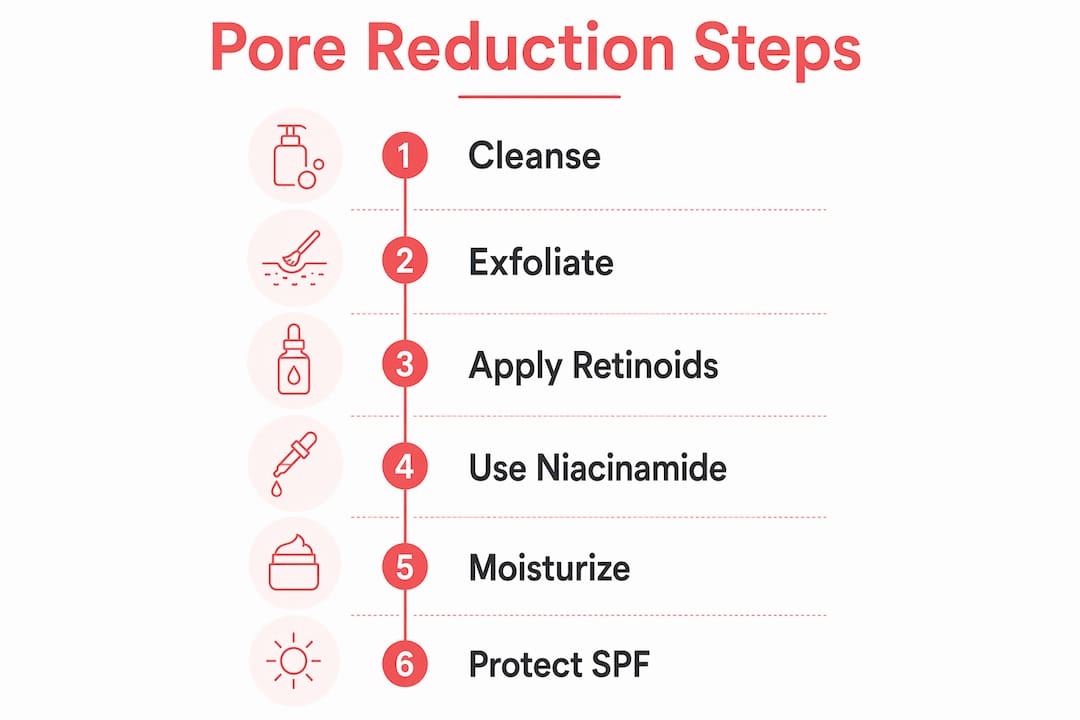
A consistent routine beats any single product. Follow this framework morning and evening.
- Morning cleanse: Wash with a gentle, non-comedogenic cleanser and lukewarm water. Hot water irritates skin and makes pores look larger.
- Niacinamide serum: Apply a niacinamide serum. It balances sebum, repairs the barrier, and reduces visible pore size with consistent use.
- Lightweight moisturizer: Use a water-based, oil-free formula. Hydrated skin produces less compensatory oil, which keeps pores from stretching.
- Broad-spectrum SPF 30+: Apply every single day, rain or shine. UV exposure degrades collagen around pore walls, making them look progressively larger.
- Evening double cleanse: Start with an oil-based balm to dissolve makeup and sunscreen, then follow with your gel or cream cleanser.
- Retinol (3–4 nights per week to start): Apply a thin layer before bed. Retinoids accelerate collagen and normalize sebum production. Build frequency gradually to avoid irritation.
- Chemical exfoliation (2–3 times per week): Use a BHA toner or serum with salicylic acid. BHAs dissolve oil inside pores, not just on the surface.
- Weekly clay or charcoal mask: Once or twice weekly, a clay mask draws out buildup and excess oil. Effects are temporary, so consistency is the key.
Pro Tip: Never exfoliate and use retinol on the same night. Retinoids already increase cell turnover; stacking both raises irritation risk and can compromise your barrier.
Key ingredients and at-home treatments that actually work
Topical ingredients
| Ingredient | Primary Benefit | Timeline |
|---|---|---|
| Niacinamide | Sebum regulation, barrier repair | 8–12 weeks |
| Salicylic acid (BHA) | Unclogs pores, dissolves oil | 2–4 weeks |
| Retinol / retinoids | Collagen boost, sebum normalization | 4–12 weeks |
| Broad-spectrum SPF 30+ | Prevents UV collagen loss | Ongoing |
| Hyaluronic acid | Plumps skin, reduces pore visibility | Immediate, temporary |
Retinoids are the most clinically supported option for long-term pore improvement. They normalize sebum and keratin buildup while rebuilding the collagen that supports pore walls. Salicylic acid is the go-to BHA because it penetrates oil, not just the skin surface.
Energy-based at-home technologies
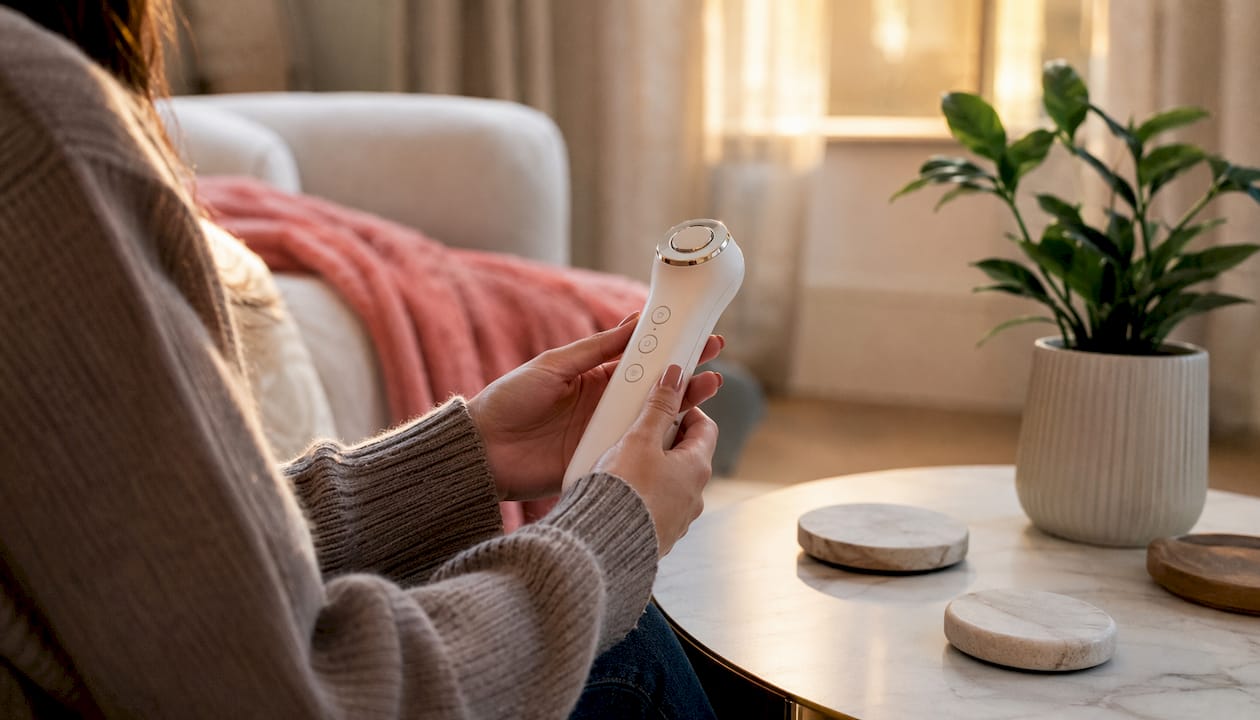
Energy-based treatments work differently from topicals. Technologies like High-Intensity Focused Ultrasound (HIFU), EMS facial toning, and LED therapy stimulate collagen production in deeper skin layers, strengthening the tissue that surrounds and supports pore walls. Professional microneedling triggers a wound-healing response that produces collagen, though at-home microneedle rollers use shorter needles (typically 0.5mm vs. the 1.5–2mm used clinically), which limits depth and results.
Avoid these: Pore strips and vacuum tools risk stretching and scarring. Cold water does not biologically close pores. Alcohol-based toners cause temporary constriction but damage the barrier long-term.
What results you can realistically expect
Genetics set your baseline. No routine eliminates pores entirely, and no product changes their physical structure. Pores have no muscles, so visible reduction depends entirely on clearing debris and rebuilding collagen support around pore walls.
“Consistent topical care with niacinamide, retinoids, BHAs, and daily SPF can realistically achieve a visible pore size reduction of approximately 30–40% over several months. Genetics limit the absolute result, but maintenance and patience are what separate people who see real change from those who don’t.” — Evidence-based summary from GlowNoFilter
Here is what the timeline typically looks like:
- Week 2: Pores look clearer as clogs begin to clear
- Weeks 4–8: Visible size reduction from niacinamide and retinoid use
- Weeks 8–12: Measurable improvement in texture and pore appearance
- Months 3–6: Maximum improvement from consistent topical routine
Energy-based treatments can accelerate collagen-related improvements beyond what topicals alone deliver.
Why pores appear large and the role of genetics
Pore size is primarily genetic. If your parents had visible pores, you likely will too. That said, genetics only set the starting point. Several controllable factors determine how prominent your pores actually look day to day.
Sebum accumulation is the biggest driver. Oil and dead skin cells stretch pore walls, making them appear wider. Sun damage compounds this by breaking down collagen and elastin in the surrounding tissue, so pores lose structural support and sag open. Age accelerates the same process. Dehydration removes the plumping effect that normally keeps pores less visible. Addressing these factors is where your routine does its real work.
Dietary and lifestyle factors that influence pore appearance
What you eat and how you live affects your skin’s oil production and collagen levels. A diet high in refined sugars and processed foods spikes insulin, which can increase androgen activity and drive excess sebum production. Staying well hydrated supports skin elasticity, which keeps pore walls firm. Chronic stress elevates cortisol, which raises oil production and can worsen clogging.
Sleep matters more than most people realize. Collagen synthesis peaks during deep sleep, so consistently poor sleep slows the repair process that keeps pore walls tight. Smoking degrades collagen directly and accelerates photoaging, both of which enlarge pore appearance over time.
Common mistakes that worsen pore appearance
Over-cleansing is the most frequent error. Stripping the skin barrier triggers compensatory oil production, which clogs pores faster than before. Harsh scrubs cause inflammation that makes pores look larger immediately. Picking or squeezing blemishes stretches pore walls and can cause permanent scarring.
Skipping moisturizer on oily skin backfires badly. Dehydrated skin produces more oil to compensate, which feeds the clogging cycle. Heavy, comedogenic makeup left on overnight combines with bacteria and oil to block pores consistently. Always cleanse thoroughly before bed, every night.
Chemical vs. physical exfoliation for pore minimization
Chemical exfoliation is the dermatologist-recommended approach. BHAs and AHAs dissolve the bonds holding dead skin cells together, clearing pores without physical friction. Salicylic acid (a BHA) is oil-soluble, so it penetrates inside the pore itself. Glycolic acid (an AHA) works on the surface and boosts collagen production.
Physical scrubs, by contrast, create micro-tears and inflammation, which worsens pore visibility. Long-term over-exfoliation of any kind triggers excess oil production, which is counterproductive. Stick to chemical exfoliants two to three times per week and let your skin’s barrier stay intact.
How skin hydration affects pore visibility
Dehydrated skin loses its plumping effect, and pores look more pronounced as a result. Non-comedogenic moisturizers with hyaluronic acid or ceramides restore that plumpness without clogging pores. Hyaluronic acid draws water into the skin, temporarily reducing the appearance of pore depth and size.
Hydration also regulates sebum. When skin is properly moisturized, oil glands produce less sebum to compensate for dryness, which reduces the clogging cycle that stretches pores. A water-based moisturizer applied twice daily is one of the simplest, most effective steps in any pore-focused routine.
Sonedaskincare’s VividLift brings professional collagen technology home
Topicals take you far. For deeper collagen stimulation, the VividLift™ 2-in-1 HIFU+Sono device from Sonedaskincare delivers spa-grade results without the spa price tag.

HIFU technology targets deep skin layers to stimulate collagen regeneration, tightening the tissue around pore walls. Sonophoresis then drives your topical serums deeper for enhanced absorption, so your niacinamide and retinol work harder. Clinically demonstrated results include a 175% increase in skin hydration, improved elasticity, and visibly firmer skin. The VividLift is built for consistent at-home use, with a 100% Money-back Guarantee and a 100% user satisfaction rate. Learn more about how it works and see if it fits your routine.
Key Takeaways
Consistent, evidence-based at-home care combining BHAs, retinoids, daily SPF, and collagen-stimulating technology can realistically reduce visible pore size by approximately 30–40% over several months.
| Point | Details |
|---|---|
| Pores cannot physically shrink | Visible reduction comes from clearing debris and rebuilding collagen support around pore walls. |
| 30–40% reduction is realistic | Consistent topical routines with niacinamide, retinoids, and BHAs deliver this over several months. |
| Daily SPF 30+ is non-optional | UV exposure degrades collagen around pores, progressively worsening their appearance over time. |
| Chemical exfoliation beats physical | BHAs like salicylic acid penetrate inside pores; physical scrubs cause inflammation that enlarges them. |
| Sonedaskincare VividLift | HIFU and sonophoresis technology stimulate deep collagen and enhance serum absorption at home. |