Prevent Skin Sagging During Weight Loss: Safe At-Home Lifting

The most effective way to prevent skin sagging during weight loss combines gradual weight loss at a moderate pace, strength training 2–3 times per week, daily SPF 30+ sunscreen, adequate protein and hydration, an early collagen-supporting topical routine, and the consistent use of professional-grade at-home devices like HIFU and sonophoresis. Start before sagging appears — that timing is everything.
Start today with these three steps:
- Slow your weight loss pace to a moderate rate so skin has time to retract
- Begin resistance training 2–3 times per week to build structural support under the skin
- Apply a broad-spectrum SPF 30+ sunscreen every morning and start a retinol or peptide serum tonight
Realistic outcomes for mild to moderate laxity are visible with this combined approach over 12+ weeks. For significant excess skin after major weight loss, consult a board-certified dermatologist or plastic surgeon.
Table of Contents
- What should your 12-week prevention plan look like?
- What does dermatology research actually say works?
- How do at-home lifting devices actually work?
- How do you use a home HIFU device safely during weight loss?
- When do lifestyle measures work, and when is surgery the answer?
- Why Soneda VividLift™ fits this prevention plan
- Key Takeaways
- What using a Soneda device actually taught me about consistency
- The Soneda VividLift™: a professional at-home option worth considering
- Useful sources and further reading
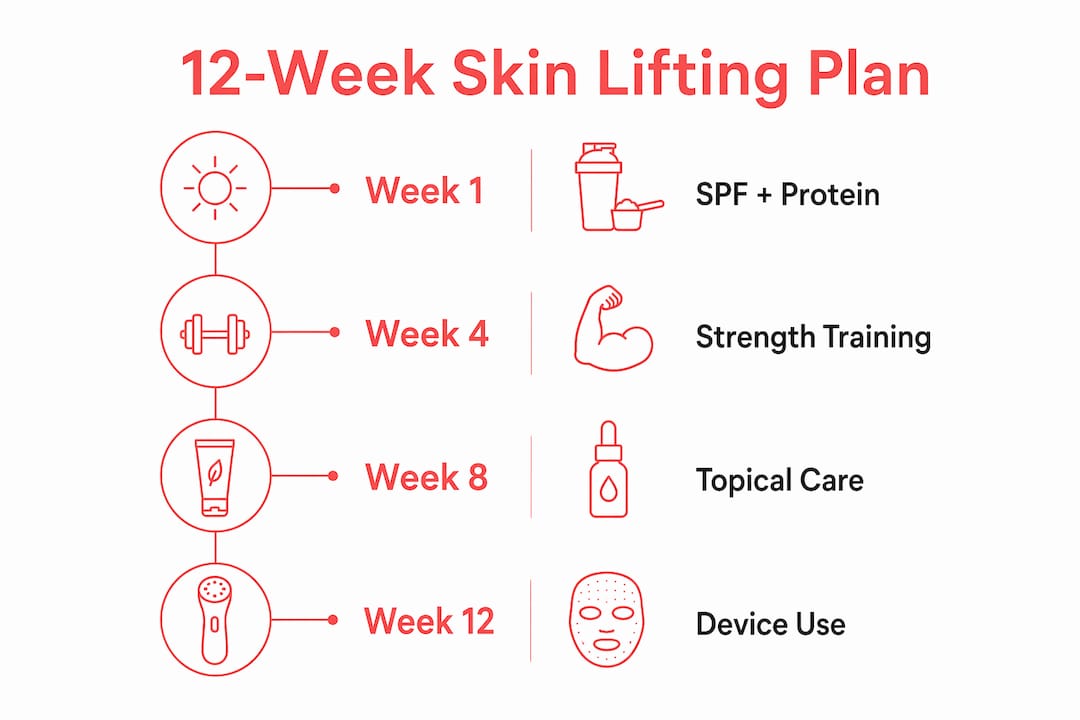
What should your 12-week prevention plan look like?
A time-bound plan removes guesswork. Here is exactly what to do across three horizons.
Day 1 actions:
- Switch to a broad-spectrum SPF 30+ sunscreen (morning, every day)
- Start a collagen-supporting topical: retinol, peptides, or hyaluronic acid — or a combination
- Hit your protein target and drink at least 2 liters of water
Weeks 1–4:
- Begin a supervised resistance program 2–3 times per week to build the muscle that supports skin from beneath
- Increase dietary protein to appropriate levels based on your body weight daily
- Take baseline photos and measurements so you can track real changes
Weeks 5–12:
- Add regular at-home device sessions (see the safe-use protocol below)
- Progress your strength training load gradually
- Monitor skin texture and hydration; note any unusual redness or sensitivity
| Timeframe | Actions | What to Expect | Seek Care If |
|---|---|---|---|
| Day 1 | SPF 30+, topical routine, protein + hydration | No visible change yet | Skin reaction to topical |
| Weeks 1–4 | Resistance training 2–3x/week, protein target | Mild firmness, improved tone | Persistent irritation |
| Weeks 5–12 | Add device sessions, progress training | Gradual tightening, mild redness post-session | Unusual swelling or pain |
Pro Tip: Start your collagen-boosting topicals and device protocol before a large planned calorie deficit or GLP-1 regimen. Building a collagen reserve before the deficit is far more effective than trying to tighten skin after it has already lost structural support.
What does dermatology research actually say works?
Clinical guidance is consistent on the fundamentals. Losing weight at a moderate pace gives collagen and elastin time to remodel and retract. Crash dieting removes that window entirely. The American Academy of Dermatology confirms that daily broad-spectrum SPF 30+ is non-negotiable for preserving the collagen you already have, since UV exposure is one of the primary drivers of elastin breakdown.
Strength training does more than burn calories. It adds subcutaneous structural support directly beneath the skin, improving the appearance of laxity in ways that cardio alone cannot. Aim for 2–3 sessions per week and prioritize compound movements that target the areas of concern.
Nutrition matters at the cellular level. Protein and hydration support collagen synthesis directly, and research published in Frontiers in Nutrition found that zinc, vitamin C, and omega-3 fatty acids all correlate positively with skin elasticity. Drinking 2+ liters of water daily and including vitamin C-rich foods are practical starting points. For a deeper look at stimulating collagen from the inside out, collagen production strategies are worth reviewing alongside your diet plan.
Topical retinoids, peptides, and hyaluronic acid support collagen and hydration when used consistently, though they cannot reverse significant laxity on their own. Energy-based treatments, including HIFU and radiofrequency, fill that gap. Results from these modalities typically appear gradually, with visible improvement often taking up to 6 months post-treatment.
How do at-home lifting devices actually work?
Understanding the technology helps you choose and use it correctly. Here is a plain-language breakdown of the main modalities, along with a feature checklist for buyers.
| Technology | Mechanism | At-Home Suitability | Key Consideration |
|---|---|---|---|
| HIFU | Focused ultrasound targets deep dermis and SMAS layer to stimulate collagen remodeling | Yes, at consumer-safe energy levels | Cartridge type and energy output matter |
| Radiofrequency (RF) | Heat-based collagen contraction in the dermis | Yes | Consistent contact and correct settings required |
| Sonophoresis | Ultrasound waves drive topical ingredients deeper into skin | Yes | Maximizes serum absorption; pairs well with HIFU |
| EMS/Microcurrent | Low-level electrical current tones facial muscles | Yes | Best for muscle definition, not deep collagen |
In-clinic devices operate at higher energy levels than consumer devices, which means clinical results are faster. At-home professional-grade devices deliver meaningful results when used consistently on a disciplined schedule. Occasional use limits outcomes. For a broader look at energy-based skin procedures and how they stimulate collagen remodeling, the underlying science is well-documented.
Device selection checklist:
- Evidence of safe, calibrated energy settings for home use
- Safety testing or FDA clearance documentation
- Clear usage protocols included with the device
- Replaceable cartridges or gel requirements stated
- Published clinical or internal data supporting efficacy
Contraindications: Avoid device use over broken skin, active acne, or rosacea flares. Do not use if pregnant, if you have implanted electronic devices (pacemakers), or over metal implants. Patch-test a small area first. Consult a clinician before use if you have any significant medical history. For a detailed review of top face lifting devices, Sonedaskincare’s expert-reviewed guide covers current options.
How do you use a home HIFU device safely during weight loss?
Follow this numbered routine every session for safe, consistent results.
- Cleanse thoroughly. Remove all makeup, sunscreen, and oils. Pat dry.
- Take a baseline photo. Same lighting, same angle, every time. This is your progress record.
- Patch test (first use only). Treat a small area on the jaw and wait 24 hours before a full session.
- Apply conductive gel. Cover the treatment area evenly.
- Run the device. Use the recommended mode for your concern (lifting vs. hydration). Overlap spots by about 20% and work in upward strokes. Follow the manufacturer’s timing guidance per zone.
- Aftercare. Apply a soothing serum (hyaluronic acid or peptide), then sunscreen if treating in the morning. For a complete protocol that pairs device use with collagen-supporting topicals, the anti-aging collagen support sequence from Sonedaskincare is a practical reference.
Cadence: Most at-home HIFU protocols recommend sessions once every 1–2 weeks for the first 6–8 weeks, then monthly maintenance. Schedule sessions on rest days from strength training to avoid compounding skin stress.
Stop and see a clinician if you experience: persistent swelling beyond 48 hours, unusual bruising, numbness, or any skin breakdown. Mild redness lasting a few hours is normal.
Safety reminder: Never use a HIFU device over broken skin, implanted devices, or during pregnancy. Always follow the manufacturer’s instructions and consult a board-certified provider if you have pre-existing medical concerns.
When do lifestyle measures work, and when is surgery the answer?
For mild to moderate laxity, a combined approach of gradual weight loss, strength training, nutrition, and consistent at-home device use typically produces visible improvement within 12 weeks, with more significant results at 3–6 months. The AAD confirms that noninvasive procedures produce modest lifting for people with a small amount of sagging skin who maintain a healthy weight.
Surgery becomes the realistic option when:
- Weight loss exceeds 100 pounds and skin has been stretched for years
- Large excess skin folds are present that create hygiene or comfort issues
- Noninvasive measures have been used consistently for 6+ months with minimal change
- The skin has lost structural integrity that collagen stimulation cannot restore
When to book a consultation:
- Gather 6–12 months of progress photos and your weight-loss timeline
- Log your device use and topical routine
- Note any areas of persistent discomfort or skin fold irritation
- Request a board-certified dermatologist or plastic surgeon, not a general practitioner
Surgery is the only way to physically remove significant excess skin. Noninvasive devices and lifestyle measures can improve tone and texture, but they cannot eliminate large skin folds. A board-certified plastic surgeon can assess whether body contouring is appropriate for your situation.
Rapid weight loss, including GLP-1-associated changes, raises laxity risk because the skin has less time to remodel. If you are on a GLP-1 medication, start your prevention protocol immediately rather than waiting.
Why Soneda VividLift™ fits this prevention plan
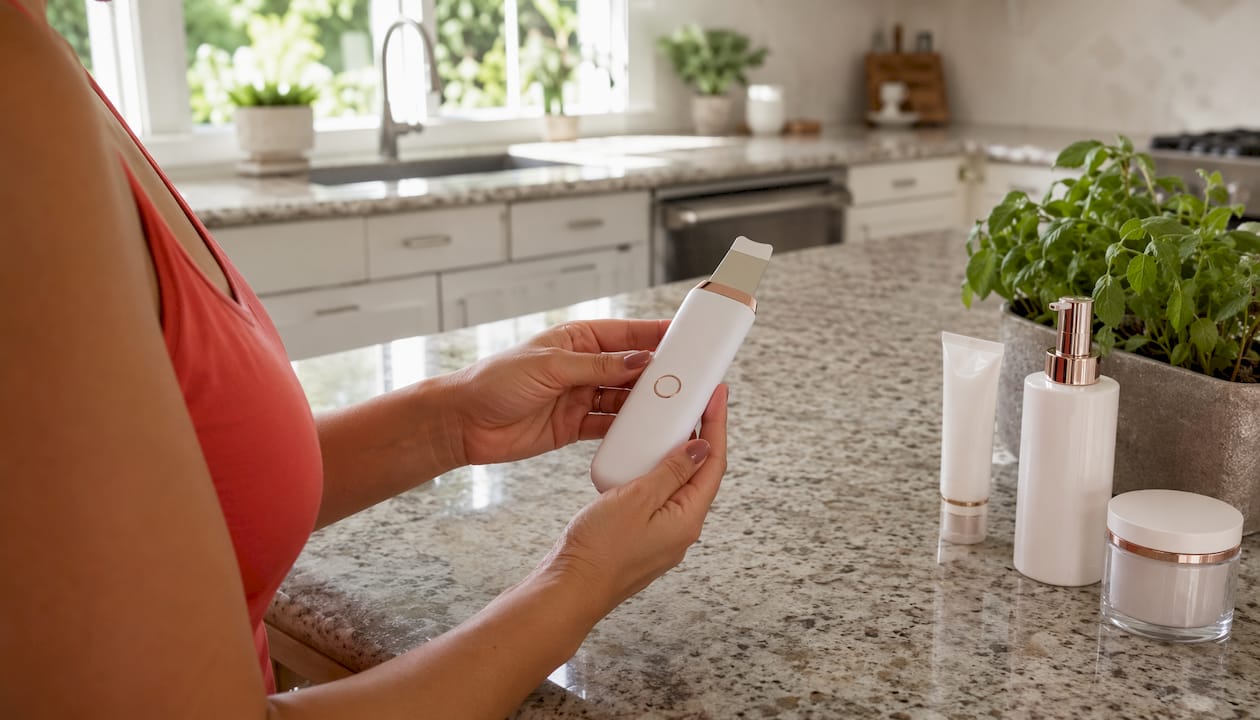
The Soneda VividLift™ is a 2-in-1 HIFU and sonophoresis device designed for professional-grade results at home. HIFU targets the deep dermis and SMAS layer to stimulate collagen remodeling. Sonophoresis drives your topical serums deeper into the skin, amplifying the effect of retinol and peptide products you are already using. Together, they address both deep structural support and surface hydration in a single session. Learn more about how the technology works on the Sonedaskincare site.
Clinically supported results (brand-provided evidence):
- 175% increase in skin hydration in clinical testing
- 100% user satisfaction rate across tested users
These figures are provided by Sonedaskincare based on internal clinical data. For full study details, visit the Sonedaskincare product pages.
Recommended cadence: Once every 1–2 weeks during active weight loss, then monthly for maintenance. Pair sessions with your retinol or peptide routine on recovery days from strength training for compounding benefit.
As a Soneda customer, the consistency of the protocol is what makes the difference. Fitting sessions into a structured weekly routine, rather than using the device sporadically, is what produces visible tightening over time. Follow device instructions carefully and consult a clinician if you have any pre-existing skin or medical concerns before starting.
Key Takeaways
Preventing loose skin during weight loss requires starting collagen support early, maintaining a moderate pace, and using professional-grade at-home devices consistently alongside strength training and nutrition.
| Point | Details |
|---|---|
| Moderate weight loss pace | Lose weight at a moderate pace to give collagen and elastin time to retract and adapt. |
| Strength training cadence | Train 2–3 times per week to build structural support beneath the skin. |
| Protein and hydration | Target an appropriate protein intake based on body weight and drink adequate water daily. |
| Daily SPF 30+ | Apply broad-spectrum sunscreen every morning to prevent further collagen breakdown. |
| Sonedaskincare VividLift™ | Combines HIFU and sonophoresis for at-home collagen remodeling with a 175% hydration increase in clinical testing. |
What using a Soneda device actually taught me about consistency
The biggest lesson from fitting device sessions into a weight-loss routine is that consistency beats intensity every time. Scheduling sessions on training recovery days, rather than trying to add them on top of hard workout days, makes the habit stick. Tracking skin changes with photos every two weeks reveals progress that is invisible day-to-day. Collagen remodeling is slow by nature, and expecting dramatic results in two weeks sets you up for frustration.
Syncing the device protocol with a retinol or peptide serum amplifies results noticeably. The sonophoresis mode drives those actives deeper, and the difference in skin texture after 8 weeks of consistent use is real. Patience and a structured schedule are the two things most people underestimate when starting an at-home device routine.
If you notice any unusual skin response, stop and consult a board-certified dermatologist before continuing.
The Soneda VividLift™: a professional at-home option worth considering
Sagging skin during weight loss is a real concern, and the Soneda VividLift™ addresses it with the same core technologies used in professional settings: HIFU for deep collagen stimulation and sonophoresis for enhanced topical absorption. You get clinically proven results without the clinic price tag or appointment schedule.

The VividLift™ fits directly into the prevention plan outlined in this guide. Use it alongside your strength training, protein routine, and daily sunscreen for a complete, layered approach to skin elasticity after diet and weight loss. Before starting, perform a patch test and follow all device instructions. For significant medical concerns, consult a board-certified clinician first.
Ready to add professional-grade lifting to your routine? Preorder the VividLift™ today, or explore the full Soneda device range to find the right fit. A 100% money-back guarantee means zero risk.
Useful sources and further reading
- American Academy of Dermatology: Firm sagging skin — clinical guidance on noninvasive and surgical skin-tightening options
- Derm On Demand: How to avoid saggy skin after losing weight — dermatology-backed guidance on pace, protein, and training
- WebMD: Loose skin after weight loss — overview of noninvasive modalities, hydration, and surgical thresholds
- Everyday Health: Weight loss and excess skin — topical ingredient evidence and realistic expectations
- GoodHousekeeping: Supporting skin elasticity during rapid weight loss — GLP-1 and rapid-loss considerations
- Frontiers in Nutrition: Effect of selected nutrients on skin firmness and elasticity — peer-reviewed data on zinc, vitamin C, and omega-3 effects on skin
- Sonedaskincare: How it works — technical overview of HIFU and sonophoresis technology
- Sonedaskincare: Reduce skin sagging after weight loss — practical guide for starting collagen support during weight loss
This article is general information, not medical or dermatological advice. Consult a board-certified dermatologist or plastic surgeon for your specific situation, especially for significant skin laxity or pre-existing conditions.